Craft Materials That Cannot Be Laser Engraved: Avoid These
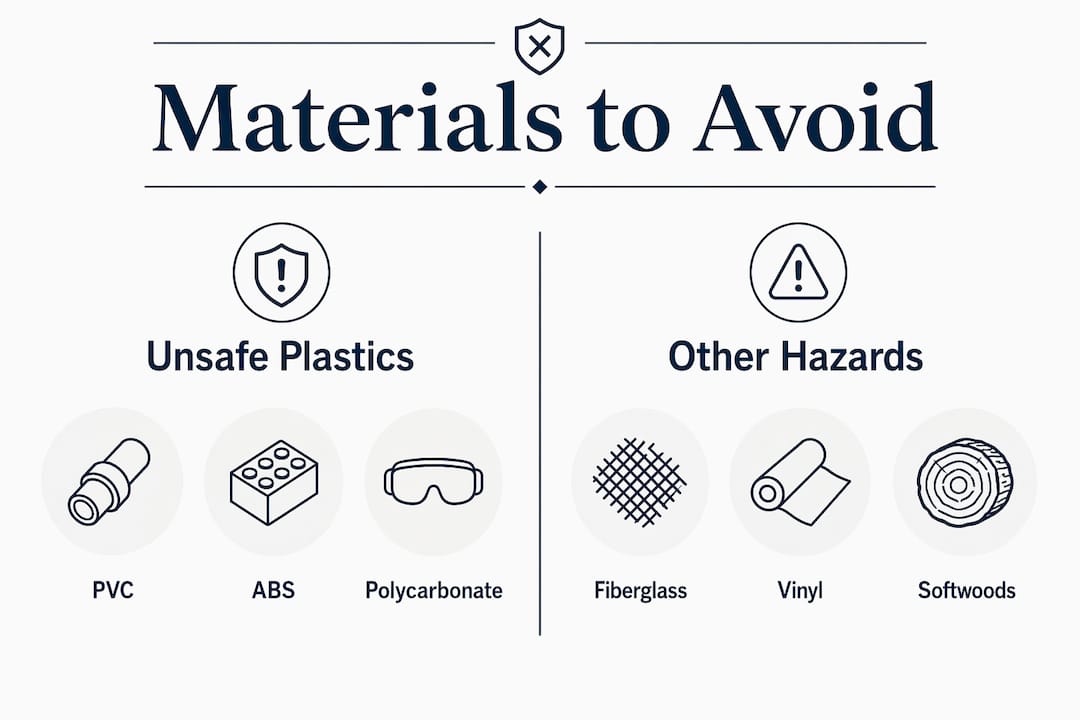
Many common craft materials cannot be laser engraved safely, and the consequences of using the wrong ones range from toxic fume exposure to permanent machine damage. PVC, ABS plastic, fiberglass, and Teflon are among the materials that produce dangerous chemical byproducts when exposed to laser heat. The industry term for this category is “laser-incompatible materials,” though crafters often search for non-engraveable craft supplies or craft materials to avoid for laser work. Knowing what cannot be laser engraved before you start a project protects your health, your equipment, and the quality of your finished piece.
✦ Featured From Our Shop ✦
Handcrafted & laser engraved in Georgia, just for you
What craft materials cannot be laser engraved?
PVC and vinyl are the most dangerous materials unsuitable for laser engraving, and no amount of ventilation makes them safe to process. When a laser beam hits PVC, it triggers a chemical reaction that releases chlorine gas and hydrochloric acid. That acid does not just harm the operator. It corrodes the laser’s optics, metal rails, and internal components, leading to costly repairs or total machine loss.
Crafters encounter PVC more often than they realize. Faux leather sheets, iron-on vinyl, adhesive craft vinyl, and many flexible plastic sheets sold at hobby stores contain PVC. The label rarely says “PVC” in large print, so you need to check the material’s composition before loading it into any laser system.
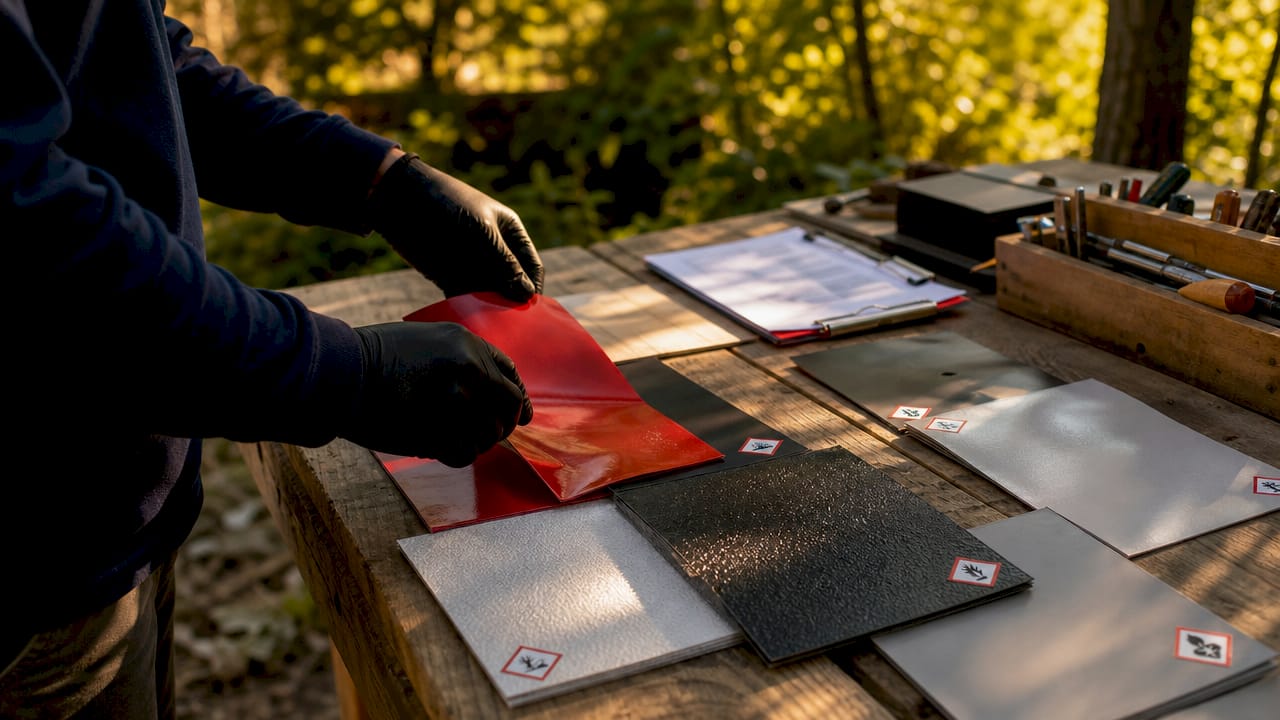
Ventilation cannot neutralize corrosive chlorine gas the way it handles ordinary wood smoke. Even a high-powered exhaust system will filter particulates but allow reactive gases to pass through, meaning the damage to your lungs and your machine still occurs. The only safe policy is a complete ban on chlorine-containing materials.
Pro Tip: Always request a Material Safety Data Sheet (MSDS) from your supplier before engraving any plastic or coated fabric. Look specifically for chlorine, bromine, or fluorine in the chemical composition. Any halogen content is a hard stop.
Why polycarbonate and ABS plastic cause serious problems
Polycarbonate and ABS are two of the most widely used plastics in craft and hobby projects, yet both are firmly on the list of materials to avoid for laser work. Polycarbonate burns aggressively under laser energy, producing heavy black soot, discoloration, and a genuine fire hazard. It does not vaporize cleanly the way acrylic does. Instead, it melts, chars, and coats the machine’s optics with acidic residue.
ABS plastic presents a different but equally serious problem. It emits hydrogen cyanide fumes when heated by a laser, which is toxic even in small concentrations. Beyond the health risk, ABS melts into a sticky residue that clings to the laser bed and degrades machine performance over time. Both materials require increased cleaning frequency and can shorten the lifespan of your equipment significantly.
The confusion between acrylic and polycarbonate trips up many crafters because both materials look nearly identical in sheet form. Here is a direct comparison to help you tell them apart:
| Property | Acrylic (PMMA) | Polycarbonate |
|---|---|---|
| Laser compatibility | Safe, cuts and engraves cleanly | Unsafe, burns and produces soot |
| Appearance when cut | Clean, polished edge | Yellowed, charred edge |
| Fume type | Mild, manageable with ventilation | Toxic, acidic residue |
| Common craft use | Signs, jewelry, display pieces | Safety shields, phone cases |
| Flexibility | Rigid, brittle | Flexible, impact-resistant |
Acrylic, also sold under the brand name Plexiglas, is one of the best materials for laser engraving. Polycarbonate, often sold as Lexan, is not. If you are buying clear plastic sheets for a laser project, confirm the material is acrylic before purchasing.
Are composite materials like fiberglass safe for laser engraving?
Fiberglass and carbon fiber composites are not safe for laser engraving, and the damage they cause is both immediate and long-term. Fiberglass releases toxic resin fumes and fine glass particles when a laser contacts it. Glass fibers do not vaporize under a CO2 laser. They shatter into abrasive dust that contaminates the machine’s optics and degrades beam quality over repeated use.
Carbon fiber reinforced with epoxy resin carries the same risks. The resin burns and emits toxic gases, while the carbon fibers themselves create conductive dust that can short-circuit electrical components inside the laser enclosure. Many crafters use carbon fiber sheets for custom accessories or model parts, not realizing the material is fundamentally incompatible with laser processing.
Unknown coated or laminated fabrics present a hidden version of the same problem. A fabric that looks like canvas or felt may contain a flame-retardant coating, a metallic laminate, or an adhesive backing with unknown chemistry. When that coating burns, it can release any number of toxic compounds. Here is the process we recommend before working with any composite or coated material:
- Identify the base material and every coating or adhesive layer listed on the product specification sheet.
- Search for the MSDS for each component, not just the finished product.
- Check for halogen content (chlorine, bromine, fluorine) in any layer.
- If the full composition is unknown, treat the material as unsafe and choose a verified alternative.
- Never assume a material is safe because it looks similar to one you have used before.
Pro Tip: When in doubt, contact the material supplier directly and ask whether their product is laser-safe. Reputable suppliers will know the answer. If they cannot confirm it, that is your answer.
Other craft materials to avoid for laser engraving
Several additional materials show up regularly in craft supply stores and DIY projects, yet they are genuinely unsafe or ineffective for laser engraving. Teflon, known chemically as PTFE, is one of the most dangerous. Heating Teflon produces fluorinated gases that cause a condition called polymer fume fever in humans and are lethal to pet birds. Teflon-coated baking sheets, non-stick craft mats, and PTFE tape all fall into this category.
Resinous softwoods like pine and cedar are a subtler problem. Pine and cedar ignite easily due to their high resin content, producing excessive charring and uncontrolled flames rather than clean engraving lines. Hardwoods like maple, cherry, and walnut engrave beautifully. Softwoods with heavy resin content do not.
Reflective metals present a mechanical hazard. Bare copper and brass reflect laser beams back toward the laser source, which can shatter lenses and destroy the laser head. CO2 lasers are particularly vulnerable to this type of reflection damage. Anodized aluminum and coated metals are safe alternatives for craft projects that require a metallic finish.
| Material | Primary hazard | Safer alternative |
|---|---|---|
| Teflon (PTFE) | Toxic fluorinated gas | Silicone sheets |
| Pine / cedar | Fire, excessive charring | Maple, cherry, walnut |
| Bare copper | Laser beam reflection | Anodized aluminum |
| Bare brass | Laser beam reflection | Powder-coated steel |
| PVC vinyl | Chlorine gas, acid corrosion | Cast acrylic |
How to identify materials safe for laser engraving
Correct material identification is the single most important habit a crafter can build before starting any laser project. Checking Material Safety Data Sheets and running small test cuts on verified samples reduces the risk of both machine damage and toxic exposure. The MSDS for any material is available from the manufacturer or supplier and lists every chemical compound present in the product.
The chemical shortcut that professionals use is the halogen check. If a material’s MSDS lists chlorine, bromine, or fluorine in any form, do not engrave it. These three elements produce corrosive or toxic gases when burned, and no exhaust system handles them safely. Materials free of halogens, heavy metals, and epoxy resins are generally the ones that process well.
When you encounter an unlabeled or unverified material, run a small test cut in a well-ventilated area and observe the smoke color, smell, and residue left behind. Sharp chemical odors, yellow or green smoke, or sticky residue are all warning signs. Clean white or gray smoke with a mild wood-like smell is a good indicator. That said, sensory testing is a secondary check, not a replacement for MSDS verification.
- Obtain the MSDS for every material before engraving.
- Screen for halogen content (chlorine, bromine, fluorine) as an automatic disqualifier.
- Purchase craft supplies from suppliers who explicitly label their products as laser-safe, such as those who stock cast acrylic, Baltic birch plywood, and anodized metals.
- Run a small test cut on any new material, even verified ones, to confirm settings and results.
- Maintain a log of tested materials with notes on settings, results, and any observed fumes.
The limits of laser engraving materials are not arbitrary restrictions. They reflect real chemistry that affects your health and your equipment every time you press start.
Key takeaways
Laser-incompatible materials cause toxic fume exposure, irreversible machine damage, and poor engraving results, making material verification the most critical step in any laser craft project.
| Point | Details |
|---|---|
| PVC and vinyl are absolute no-go | They release chlorine gas and hydrochloric acid that corrode laser optics and harm operators. |
| Polycarbonate differs from acrylic | Acrylic (Plexiglas) is laser-safe; polycarbonate (Lexan) burns, chars, and produces toxic soot. |
| Composites damage machines over time | Fiberglass and carbon fiber create abrasive dust and toxic resin fumes that degrade beam quality. |
| Halogen content is the key test | Any material containing chlorine, bromine, or fluorine in its MSDS should never be laser engraved. |
| Safer alternatives exist for every category | Maple, cast acrylic, anodized aluminum, and silicone replace the most common unsafe craft materials. |
My honest take on material safety after years at the laser
I have seen crafters ruin machines that cost thousands of dollars because they assumed a material was safe based on how it looked. A sheet of clear plastic looks like acrylic until it starts burning black and filling the room with acid smoke. That moment is expensive in every sense.
The crafters who thrive with laser engraving are the ones who treat material verification as part of the creative process, not a bureaucratic hurdle. Knowing what you cannot engrave actually expands your creativity. It pushes you toward materials like Baltic birch, cast acrylic, and anodized aluminum that produce genuinely beautiful results. The limits of laser engraving materials are not walls. They are guardrails that keep your projects, your health, and your equipment intact.
My advice to anyone starting out: build your approved materials list before you build your design library. Spend one afternoon reading MSDS sheets and sourcing laser-safe supplies from verified vendors. That single investment of time will save you from the kind of mistake that takes weeks and hundreds of dollars to recover from. The best materials for laser engraving are well-documented and widely available. There is no reason to gamble with unknown ones.
— Gary
Let Signaturelaserdesigns handle the material decisions for you
If sorting through material safety guides feels like more work than you signed up for, that is exactly where Signaturelaserdesigns comes in. Our team works exclusively with verified, laser-safe materials to produce custom engraved pieces that are precise, durable, and genuinely personal.
From personalized keepsakes to professional tools, we handle the material expertise so you can focus on the design. Every project we take on goes through our quality process, which means no toxic surprises, no machine damage, and no compromised results. Whether you are planning a custom gift or a larger craft order, explore our industrial laser engraving services to see what is possible when the right materials meet the right equipment.
FAQ
What plastics can never be laser engraved?
PVC, ABS, and polycarbonate are the three plastics that should never be laser engraved. PVC releases toxic chlorine gas, ABS emits hydrogen cyanide, and polycarbonate burns rather than vaporizes, producing soot and fire hazards.
Is vinyl safe to laser engrave?
Vinyl is not safe to laser engrave because most vinyl products contain PVC, which releases corrosive hydrochloric acid and chlorine gas when burned. These gases damage laser optics and pose serious health risks even with ventilation running.
How do I know if a material is laser-safe?
Request the Material Safety Data Sheet from your supplier and check for halogen content (chlorine, bromine, fluorine). Any material containing these elements is unsafe for laser engraving, regardless of how it looks or smells at room temperature.
Can you laser engrave fiberglass?
Fiberglass cannot be safely laser engraved. The glass fibers do not vaporize under a CO2 laser and instead create abrasive particulate dust, while the resin binder releases toxic fumes that contaminate optics and harm operators.
What wood is bad for laser engraving?
Resinous softwoods like pine and cedar are poor choices for laser engraving because their high resin content causes excessive charring and increases the risk of uncontrolled ignition. Hardwoods such as maple, cherry, and walnut produce far cleaner and safer results.
Recommended