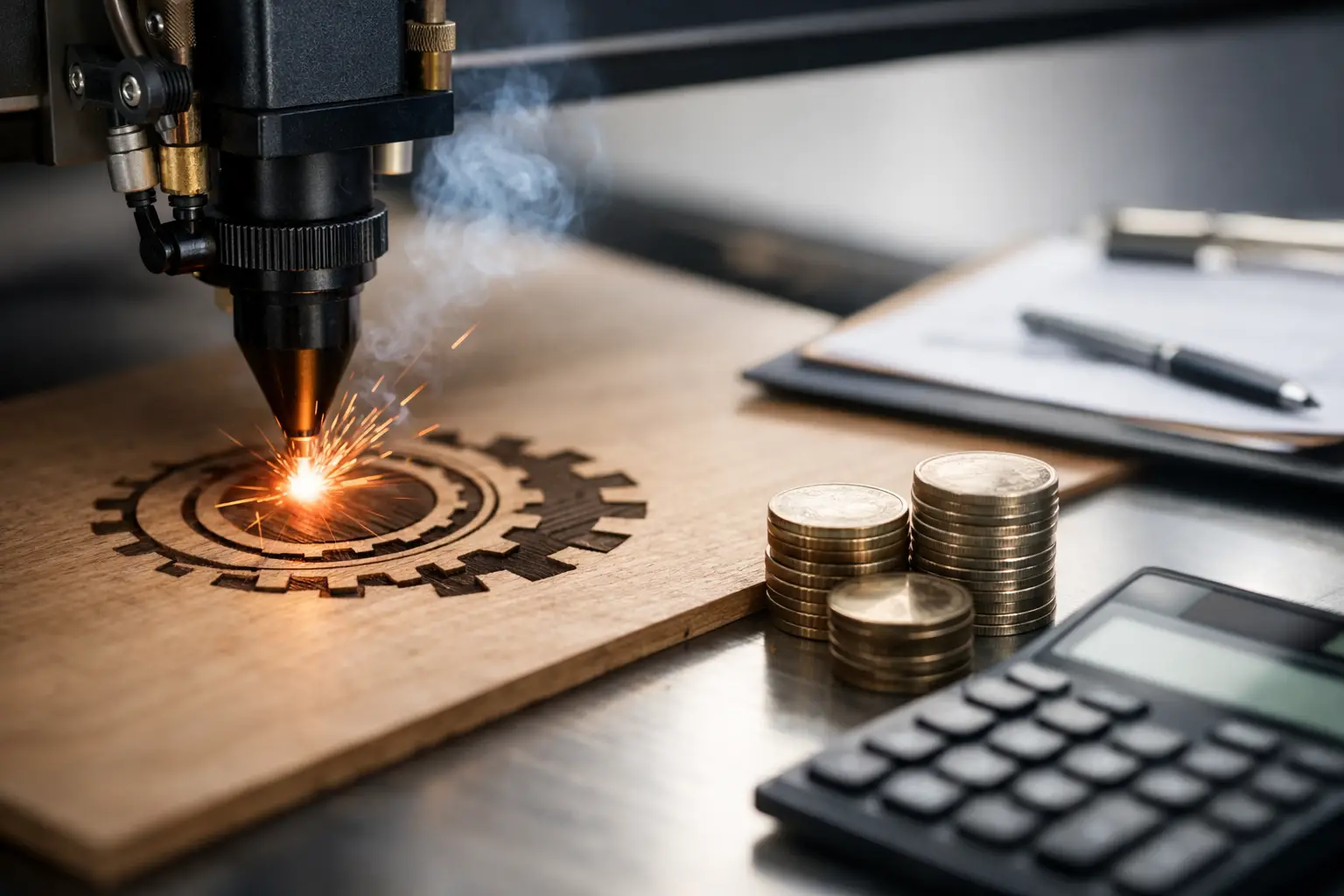
Laser Engraving Charges Explained Clearly
Sticker shock usually happens right after a customer says, “It’s just a name on it.” Then the quote comes back different for a stainless tumbler, a wooden keepsake box, and a Littmann stethoscope. That is exactly why laser engraving charges explained in plain English can save a lot of confusion. Pricing is rarely just about adding text. It reflects the item, the material, the setup, the artwork, and the level of precision needed to make the finished piece look clean, permanent, and worth giving.
For shoppers, this matters because personalization feels simple on the surface. For an engraver, every product behaves differently under the laser. A quick monogram on coated metal is not priced the same way as a logo on brushed stainless steel, and neither compares to a detailed design on wood with multiple placement checks. Once you understand what goes into the cost, quotes start making a lot more sense.
✦ Featured From Our Shop ✦
Handcrafted & laser engraved in Georgia, just for you
Laser engraving charges explained by what you are actually paying for
When you pay for laser engraving, you are not only paying for the few minutes the machine is running. You are paying for the full process that gets the item ready, engraved accurately, and finished in a way that looks intentional rather than rushed.
That process usually includes artwork prep, product positioning, machine setup, test alignment, engraving time, and quality checking. On some products, there is also cleanup afterward. Wood may need soot wiped away. Metal may need careful handling to avoid surface marks. Curved or uneven items often take longer because placement has to be checked more than once.
This is why two items with the same name engraved on them can have different prices. The name may be identical, but the work behind it is not.
What affects laser engraving pricing most
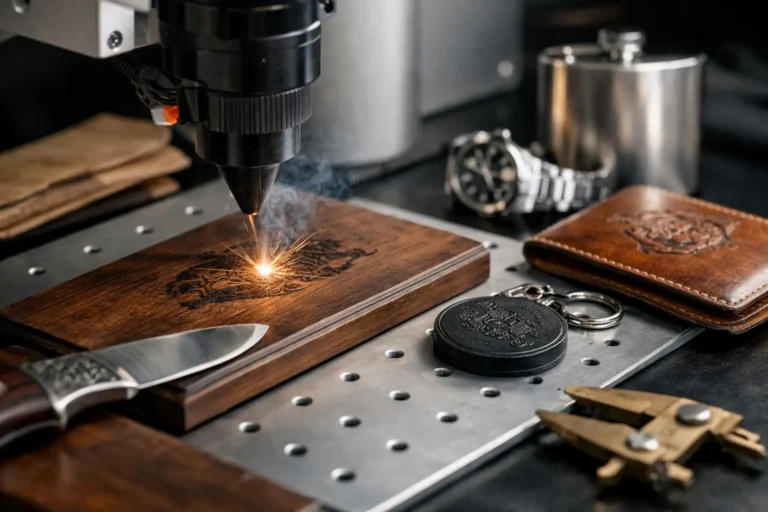
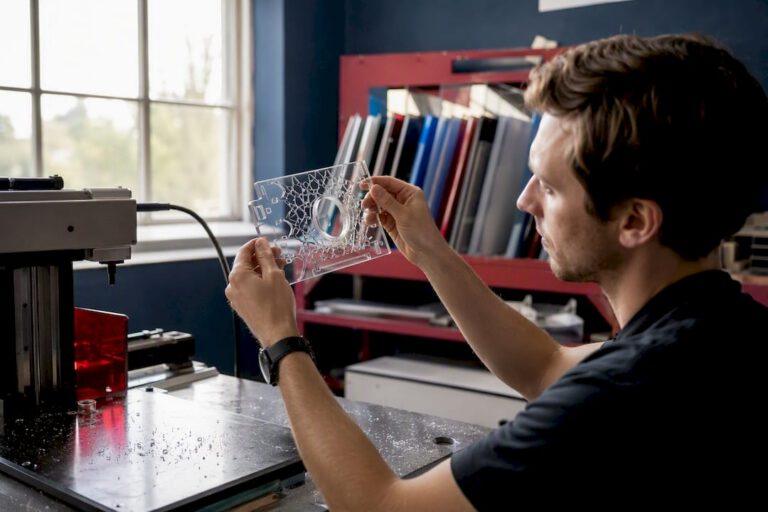
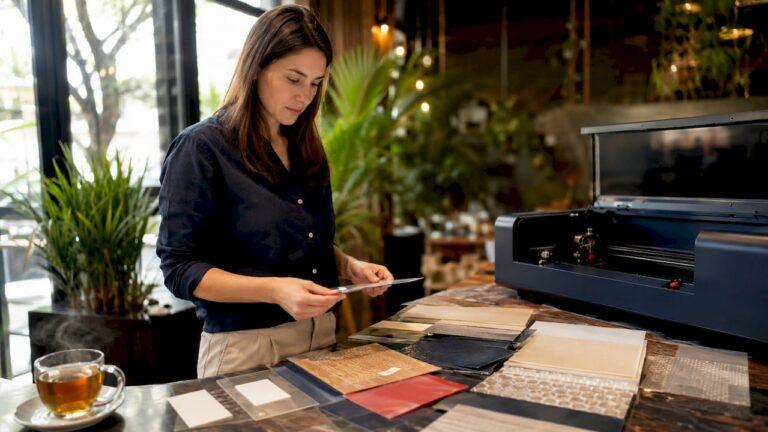
The biggest pricing factor is material. Different surfaces react differently to the laser, and that changes both speed and difficulty. Soft wood can engrave fairly quickly, but grain patterns can affect consistency. Acrylic can look sharp and polished, but it needs the right settings to avoid melting or hazing. Coated tumblers usually engrave well, while bare metals may require slower, more precise marking methods.
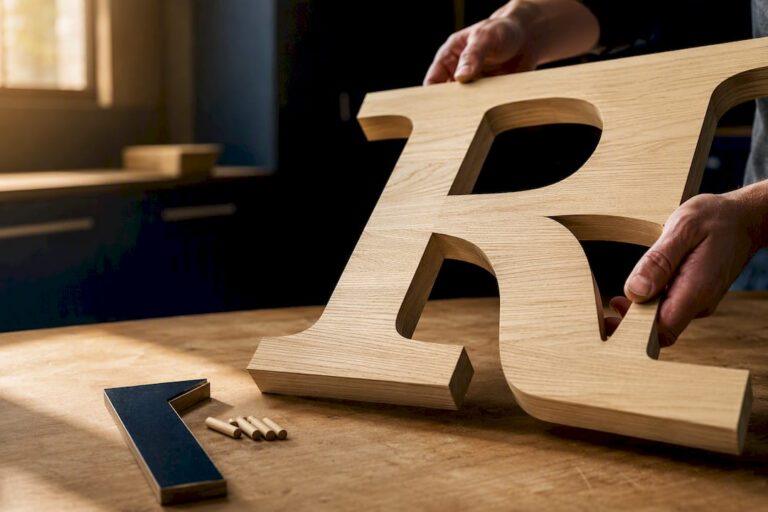
Item shape matters too. Flat items are generally simpler than curved ones. A square plaque, wood cutout, or flat tool handle is easier to position than a round tumbler or a stethoscope chest piece with limited engraving space. The more awkward the item, the more setup time is involved.
Design complexity also drives cost. A single line of text is one thing. A detailed logo, handwriting sample, or layered design with tiny elements is another. Fine detail often means slower engraving speeds and more careful proofing before the job starts.
Size plays a role, but not always in the way customers expect. Bigger is not automatically more expensive if the design is simple. A small item with a dense, highly detailed logo can actually take more time than a larger item with bold lettering.
Quantity changes pricing as well. One custom gift is priced differently from a batch of twenty branded items. Larger orders can reduce the per-piece cost because setup time gets spread across more units. That said, every order is not a volume discount situation. If each item in the batch has different names or custom details, the labor stays higher.
Why the same engraving looks inexpensive on one item and expensive on another
This is where many pricing questions come from. Customers often compare engraving across products as if it were the same service each time. It is not.
A personalized keychain, for example, may be straightforward if the blank is made for engraving and sized for easy placement. An engraved medical item is different. A stethoscope, for instance, needs accurate spacing, careful positioning on a smaller functional surface, and a mark that looks professional, not crowded. That extra care is part of the value.
The same goes for industrial or specialty metal engraving. If the item needs durable identification, clean legibility, and consistent results, the engraving process has less room for error. Precision work is usually priced higher because it should be.
Gift items can vary too. A rustic wood ornament with a name may sound easy, but natural wood differences can require adjustments from piece to piece. Meanwhile, a powder-coated tumbler may engrave beautifully, but the curve and finish still require proper fixturing and alignment.
Setup fees, artwork fees, and why they show up on quotes
Some engraving jobs include a setup fee, and customers sometimes read that as an extra charge for nothing. In reality, setup is often where the careful work happens.
If a design needs resizing, cleaning up, converting, or repositioning, that is time spent before the laser even starts. Logos are a common example. A clean black-and-white vector-style file is usually easier to work with than a blurry screenshot pulled from social media. If the artwork has to be recreated or adjusted to engrave correctly, that may be reflected in the price.
Personalized text usually requires less prep than custom graphics, but even text jobs can involve layout work. Font choice, spacing, line breaks, and placement all matter. On small items, a slight shift can make the design look off-center fast.
Setup charges are especially common on one-off jobs. For repeat orders using the same layout, that cost may drop or disappear because the file and placement have already been established.
Laser engraving charges explained for gifts versus professional items
Gift engraving is often driven by appearance and sentiment. Customers want something personal, neat, and ready to give. Pricing on these pieces reflects customization, presentation, and the fact that one item is often made specifically for one person.
Professional engraving adds another layer. Medical professionals, tradespeople, teachers, and small businesses often want items that are both personal and functional. A name on a stethoscope, a company mark on a tool, or durable identification on metal equipment needs to look polished and stay readable. That raises the standard for precision.
There is also a difference between decorative engraving and utility-driven marking. Decorative work can lean more artistic. Utility marking often prioritizes clarity, permanence, and consistent placement. Neither is better. They just serve different goals, and pricing usually reflects that.
How to tell if an engraving quote is fair
A fair quote should match the item, the design, and the level of care required. Cheapest is not always best, especially for personalized items that cannot be unmade once engraved.
If the design is detailed, the material is tricky, or the item is valuable, a higher quote can be completely reasonable. You are paying for accuracy and experience, not just machine time. A rushed engraving on a special gift or professional tool is not a bargain if it ends up crooked, shallow, or hard to read.
It helps to ask what is included. Does the quote cover layout and proofing? Is there a charge for logo cleanup? Is the item being engraved supplied by the shop or brought in by the customer? Those details affect pricing more than many people realize.
Shoppers should also remember that personalized work is custom production. Unlike mass-made retail products, custom engraving includes individual handling and item-specific attention. That is part of what makes it special.
How to keep custom engraving costs reasonable
The easiest way to control price is to simplify the design. Clean text, a straightforward layout, and a clear engraving area usually cost less than highly detailed artwork. If you are ordering multiples, using the same design across all items can also help reduce the per-item cost.
Choosing products that are known to engrave well can make a difference too. Some blanks are simply more efficient to personalize than others. If your goal is a thoughtful gift at a comfortable price point, a well-selected engravable item with a clean design often gives the best result.
Good artwork saves money as well. If you are submitting a logo or custom image, sending the clearest file possible can reduce prep time. And if you are not sure what works best, asking before ordering can prevent unnecessary revisions.
At Signature Laser Designs, this is where craftsmanship really matters. A good engraver helps customers choose the right product and design combination, not just the cheapest line item.
Why laser engraving often costs more than people expect
Personalization feels small, but custom work is detailed work. The laser may only run for a short period, yet the value comes from knowing how to make the material respond well, how to place the design cleanly, and how to avoid mistakes on items that matter.
That is especially true when the product is both useful and meaningful. A wedding gift, a classroom accessory, a medical tool, or a custom keepsake is not just being marked. It is being made personal in a permanent way.
The best engraving does not call attention to the effort behind it. It just looks right. And when a custom piece looks polished, feels intentional, and holds up over time, the price starts to feel a lot more understandable.
If you are comparing quotes, look past the number for a second and think about the finished piece in someone’s hand. That is usually where the real value becomes clear.