Why Personalized Gifts Cost More: A Clear Pricing Guide
Personalized gifts cost more because each order requires specialized labor, unique material sourcing, and individual quality control that mass production simply cannot replicate. Unlike a factory item made by the thousands, a custom piece is built once, for one person, with no cost-sharing across a large run. That reality drives up the price at every step. Understanding the real factors behind custom gift pricing helps you shop with confidence and appreciate what you are actually paying for.
✦ Featured From Our Shop ✦
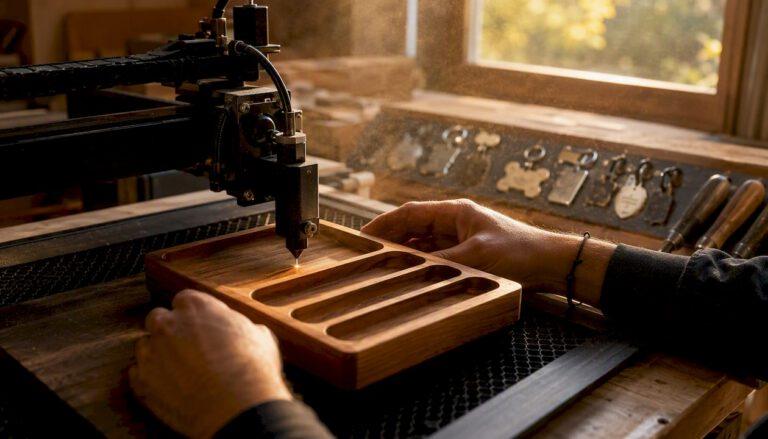
Handcrafted & laser engraved in Georgia, just for you
Why personalized gifts cost more: production costs explained
Made-to-order personalized gifts incur 15–30% higher material costs due to sourcing premiums and the absence of mass-production economies. That gap exists because every custom order triggers its own sourcing event, subject to spot pricing rather than the bulk contract rates that large manufacturers lock in. You cannot automate that premium away.
The labor picture is equally direct. A factory worker assembling 10,000 identical mugs spends seconds per unit. A craftsperson laser-engraving a name, date, and personal message on a single piece spends minutes. Those minutes are billed to one order, not spread across thousands.
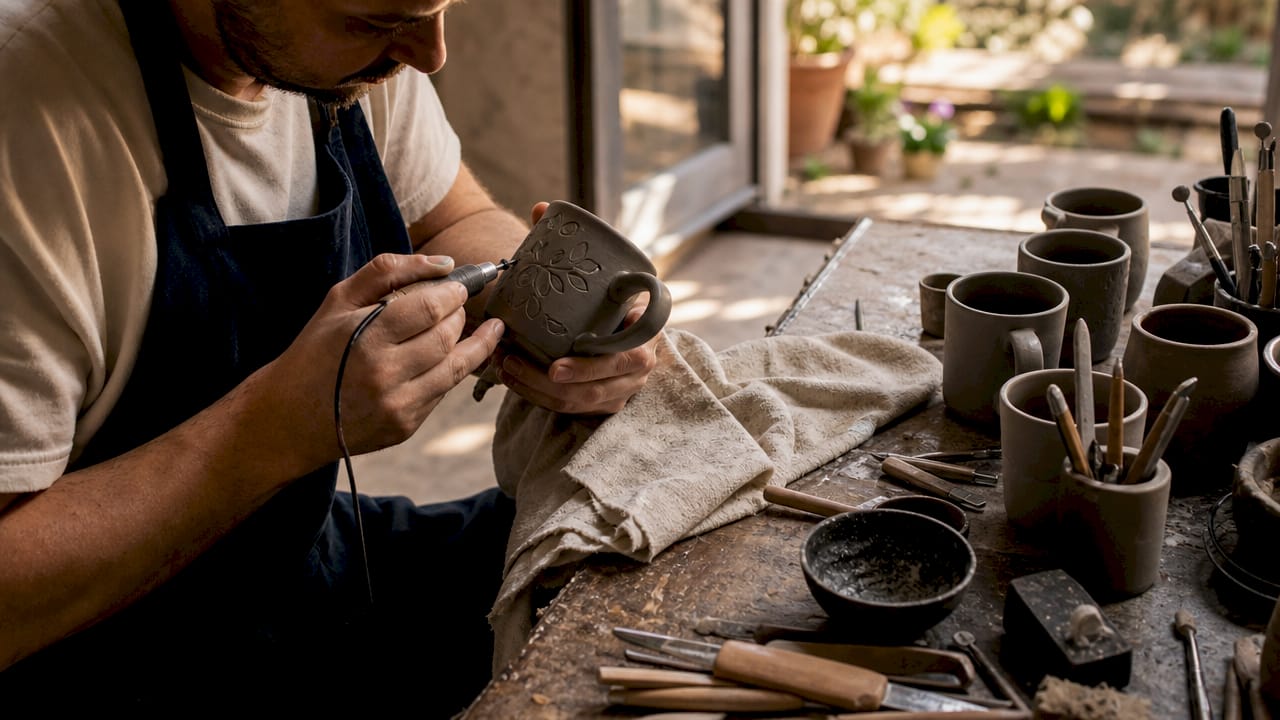
Setup and engineering time add another layer. Before a single item is produced, a technician must configure the machine, test the design, and approve the output. That setup cost is fixed regardless of whether you order one piece or fifty. On a single-unit order, the full setup fee lands on one price tag.
Here is a quick look at how pricing ranges across common personalization methods:
| Method | Typical price range | Setup fee range |
|---|---|---|
| Custom embroidery | $5–$30 per piece | $20–$75 per order |
| 3D crystal engraving | $39–$299 per unit | $20–$75 per order |
| Bespoke jewelry (entry) | From $300 per piece | Varies by design |
| Luxury bespoke jewelry | $3,000 and above | Included in quote |
Embroidery and engraving setup fees range from $20 to $75 per order. On a five-piece order, that fee adds $4–$15 per unit. On a single piece, it can double the base price.
Pro Tip: Request an itemized quote that separates the base product cost from the setup and customization fees. Knowing each component lets you make smart trade-offs, like simplifying a design to cut labor time without reducing the gift’s personal meaning.
How emotional value justifies the premium price
Personalization triggers a well-documented psychological response called effort justification. When a shopper invests time choosing a name, date, or message, they assign greater worth to the finished product. This is the same mechanism behind the IKEA Effect, where people value things more when they have a hand in creating them.
The numbers back this up. Personalization raises perceived value by roughly 40% in consumer studies, and shoppers willingly pay 20–50% more for customized items because the personal connection reduces their sensitivity to price. That is not irrational behavior. It reflects a genuine difference in what the item means to the buyer and the recipient.
“Personalized gifts signal intention and emotional investment, making them perceived as more meaningful and valuable than generic gifts. The emotional impact often leads recipients to value these items well beyond their monetary cost.” — Why Personalized Gifts Feel More Expensive Than They Actually Are
Recipients feel this too. A laser-engraved keepsake with a meaningful date or message is kept for years, often displayed, and rarely discarded. A generic item from a shelf rarely earns that kind of long-term appreciation. The emotional staying power is part of what you are buying.
Personalization also taps into deep human needs for uniqueness and identity. When a gift is made specifically for one person, it communicates that the giver paid attention. That signal of care is worth real money to most people, which is exactly why the personalized gift meaning carries so much weight in the exchange.
How modular pricing and hidden fees affect your total cost
Custom gift pricing is rarely a single flat number. It is built from layers, and understanding those layers is the fastest way to avoid sticker shock.
Here is how the cost structure typically breaks down:
Base product cost. The raw material price before any customization. A plain wooden cutting board costs far less than the finished engraved version.
Setup or digitizing fee. The one-time charge to configure the machine or convert your design into a production-ready file. Setup fees range from $20 to $75 and hit hardest on small orders of 1–5 units.
Labor per unit. The time a skilled technician spends on your specific piece. More complex designs take longer and cost more.
Reprint risk premium. Personalized orders carry a real chance of errors, such as a misspelled name or misaligned engraving. Sellers build a reprint risk premium into pricing to cover the cost of occasional reprints without losing margin.
Quality review and packaging. Each custom piece is inspected individually before shipping. That inspection time is part of the price.
Order volume changes the math significantly. When you spread a $50 setup fee across 50 units, it adds $1 per piece. On a single unit, it adds $50. Increasing your order quantity is one of the most effective ways to lower your per-unit cost without changing the design at all.
Reducing design complexity is the other major lever. Simpler artwork means less machine configuration time and fewer opportunities for error. Choosing standard materials instead of specialty finishes also cuts sourcing premiums. These adjustments lower actual labor and setup time rather than squeezing a seller’s margin, which makes them far more effective in negotiation.
Pro Tip: If you are ordering for a group event, like a wedding or corporate gift, consolidate all names into one order. The setup fee is charged once, and the per-unit labor drops with volume. You get the same personal touch at a noticeably lower cost per piece.
Perceived cost vs. actual production cost in personalized gifting
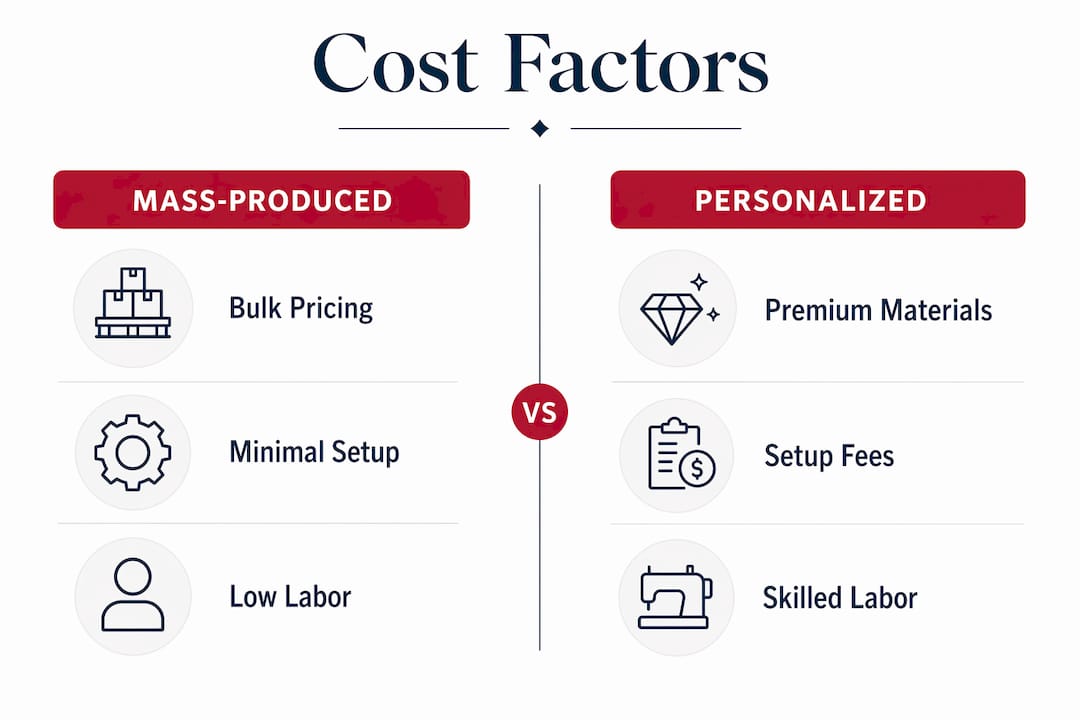
Personalized items often feel more expensive than they are, and sometimes they feel less expensive than they should. Both distortions come from the same source: shoppers compare custom prices to mass-produced equivalents without accounting for what is actually different.
Consumers frequently confuse perceived value with price. A laser-engraved walnut box priced at $85 feels expensive next to a plain box at $20. But the $65 difference covers specialized wood sourcing, machine setup, engraving time, quality inspection, and reprint risk. The plain box had none of those costs.
Here is a side-by-side look at what drives the gap:
| Cost factor | Mass-produced item | Personalized item |
|---|---|---|
| Material sourcing | Bulk contract rates | Spot pricing, 15–30% premium |
| Setup per order | Amortized across thousands | Charged per order |
| Labor per unit | Seconds | Minutes |
| Quality inspection | Batch sampling | Individual review |
| Reprint risk | None | Built into price |
Knowing these components protects you as a shopper. When you see a custom gift priced significantly higher than a generic version, you can now trace exactly where that difference comes from. You can also use that knowledge to ask better questions, like whether a simpler font or a standard material would reduce the labor component without changing the gift’s meaning.
The holiday gift personalization options available today range from simple name engravings under $30 to fully bespoke pieces well above $300. Where your gift lands on that range depends almost entirely on material choice, design complexity, and order quantity.
Key Takeaways
Personalized gifts cost more because every order carries unique sourcing, setup, labor, and risk costs that cannot be shared across a mass production run.
| Point | Details |
|---|---|
| Sourcing premiums are real | Made-to-order materials cost 15–30% more than bulk-contracted equivalents. |
| Setup fees hit small orders hardest | A $20–$75 setup fee doubles the unit cost on a single-piece order. |
| Emotional value is measurable | Personalization raises perceived value by roughly 40%, justifying the premium. |
| Volume lowers per-unit cost | Ordering more pieces spreads setup fees and reduces labor cost per item. |
| Simplify to save | Reducing design complexity cuts actual labor time, the most effective way to lower price. |
What I have learned from years of watching people shop for custom gifts
People almost always focus on the final price and miss the story behind it. I have seen shoppers balk at a $75 engraved piece and then spend $90 on a generic gift set that gets forgotten in a drawer by february. The math rarely favors the generic option when you factor in how long the personalized item gets kept and talked about.
The most common misconception I encounter is that a higher price means a seller is padding margins. In reality, the premium almost always traces back to real costs: the sourcing event, the setup time, the skilled labor, and the reprint buffer. Sellers who offer itemized pricing are not trying to confuse you. They are showing you exactly where your money goes, and that transparency is worth seeking out.
My practical advice is simple. If budget is a concern, do not cut the personalization. Cut the complexity. A single clean line of engraving on a quality material is more powerful than an elaborate design on a cheaper substrate. And if you are buying for a group, always consolidate into one order. The savings are real and the quality stays the same.
Personalized gifts create memories that outlast the occasion. That is not a marketing line. It is what happens when someone receives something made specifically for them. The price reflects the work. The value reflects the meaning. Both are worth understanding before you shop.
— Gary
Signaturelaserdesigns: transparent pricing for custom gifts
Signaturelaserdesigns specializes in custom laser engraving with a clear, modular pricing structure so you always know what you are paying for. Whether you are ordering a single engraved keepsake or a bulk run of branded corporate gifts, the team breaks down base costs, setup fees, and customization options upfront.
From personalized keepsakes that carry real emotional weight to industrial laser engraving services built for professional applications, Signaturelaserdesigns brings craftsmanship and pricing clarity to every order. If you want a gift that gets kept, not just given, this is where to start.
FAQ
Why do personalized gifts cost more than regular gifts?
Personalized gifts require individual material sourcing, machine setup, skilled labor, and quality inspection for each unique order. These costs cannot be spread across a large production run, so they land entirely on the single piece you buy.
What is a setup fee and why does it matter?
A setup fee covers the time needed to configure production equipment and prepare your design for manufacturing. Setup fees range from $20 to $75 and have the biggest impact on small orders of 1–5 units.
Are personalized gifts worth the higher price?
Yes. Personalization raises perceived value by roughly 40%, and recipients consistently keep and treasure custom items far longer than generic alternatives.
How can I lower the cost of a personalized gift?
Increase your order quantity to spread setup fees across more units, and simplify your design to reduce labor time. Reducing specification complexity is the most direct way to bring the price down without sacrificing personalization.
What is a reprint risk premium?
A reprint risk premium is a small cost built into personalized gift pricing to cover the expense of correcting errors like typos or misaligned engravings. It protects both the seller’s margin and your ability to receive a correct final product.
Recommended
- Personalized Gift Meaning Explained for Thoughtful Givers
- What Affects Custom Laser Engraving Cost? – Signature Laser Designs
- How to Personalize Gifts That Get Kept – Signature Laser Designs
- Signature Laser Designs – Engraved Gifts and More