Five Steps to Keep a Laser Etched Pie Server’s Engraving Crisp
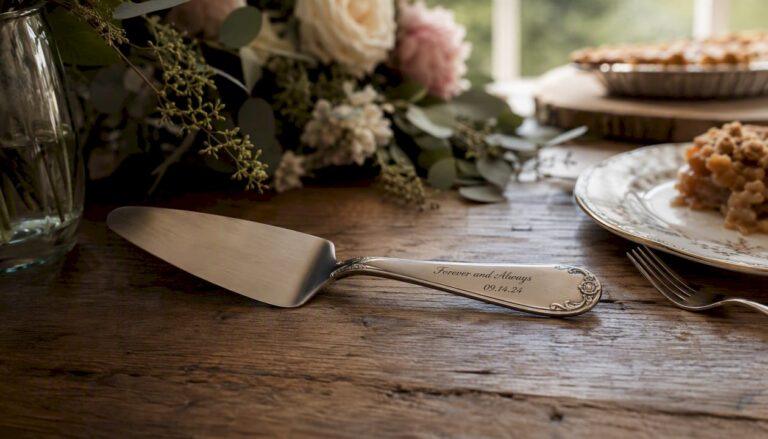
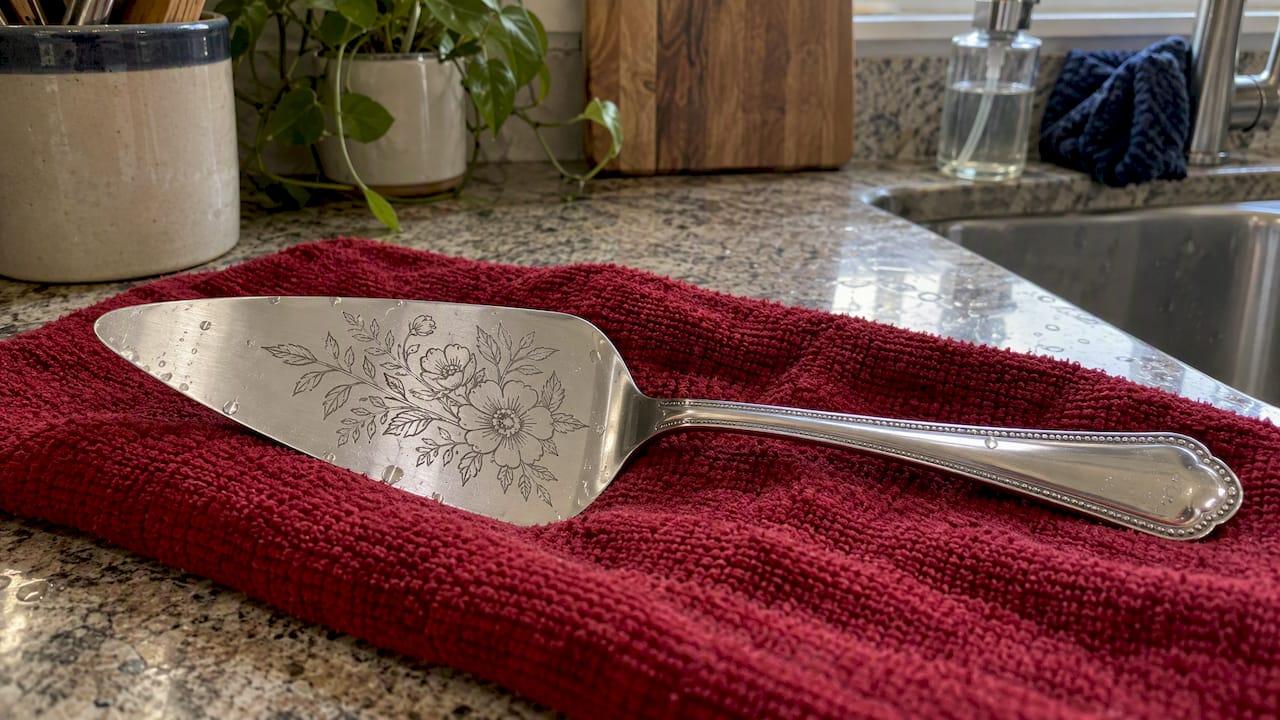
Hand-wash your laser-etched stainless steel pie server with warm water and mild dish soap, cleaning the etched area gently with a soft cloth or a soft-bristled toothbrush for detail work. Rinse it completely and dry it right away so water doesn’t sit in the etching. Skip the dishwasher, bleach, and anything abrasive, since these can dull the finish or damage the design you love.
✦ Featured From Our Shop ✦
Handcrafted & laser engraved in Georgia, just for you
TL;DR:
- A small amount of diluted isopropyl alcohol applied with a soft cloth can remove fingerprints and packaging residue without harming the etched design.
- Steel wool, scouring pads, wire brushes, and abrasive powders can scratch etched details, while bleach and strong acids can darken or pit the steel.
- Baking soda paste can lift stains with light pressure; diluted white vinegar may remove mineral spots, but test it first and rinse immediately.
- Use the dishwasher only if the manufacturer explicitly approves it; otherwise, hand wash and remove and dry the server promptly after any cycle.
- Store the server separately from other metal utensils, and wipe acidic fillings from the blade promptly to limit scratches and corrosion.
Table of Contents
- Which tools, cleaners, and chemicals are safe to use
- A short routine to clean the server after use
- Removing stains and light rust near the engraving
- Why dishwashers and high heat are risky
- How to store the server so the engraving stays crisp
- Signature Laser Designs: hands-on care advice from the maker
- What matters most in caring for an etched keepsake
- Keep your pie server looking as good as the day it arrived
- FAQ
- Sources
Which tools, cleaners, and chemicals are safe to use
Keeping a laser-etched pie server looking sharp comes down to choosing the right tools from the start. A microfiber cloth, a soft sponge, and a soft-bristled toothbrush handle almost every cleaning job without putting the finish at risk.
- Use a microfiber cloth or soft sponge for the handle and blade.
- Reach for a soft-bristled toothbrush when food gets trapped in the engraved lines.
- Stick to mild, non-abrasive dish soap for everyday washing.
- Diluted isopropyl alcohol on a soft cloth lifts fingerprints and packaging residue without harming the etch, a method engraving professionals rely on for cleaning laser-marked stainless steel.
Steel wool, scouring pads, wire brushes, and abrasive powders are the fastest way to scratch both the polished surface and the fine lines of an etched design, so they’re worth avoiding entirely. Bleach and other chlorine-based cleaners deserve the same caution: they’re effective sanitizers on countertops, but on stainless steel they can darken the metal and are a poor match for engraved utensils according to kitchen sanitizing guidance. Strong acids carry a similar risk, since they can pit or discolor steel, especially where the surface has already been thinned by the etching process.
Pro Tip: Test any new cleaner on a small, non-etched spot first, like the underside of the handle, before using it on the whole server.
A short routine to clean the server after use
A pie server doesn’t need a complicated cleaning process, just a consistent one. Following the same few steps every time keeps the engraving crisp for years.
- Rinse the server under warm running water to clear away loose crumbs and pie filling.
- Add a dab of mild dish soap to a soft sponge or cloth and gently clean both sides of the blade along with the handle.
- If food is caught in the etched lettering or design, work a soft-bristled toothbrush over the area with gentle, small motions.
- Rinse thoroughly until every trace of soap is gone, since leftover residue can dull the finish over time.
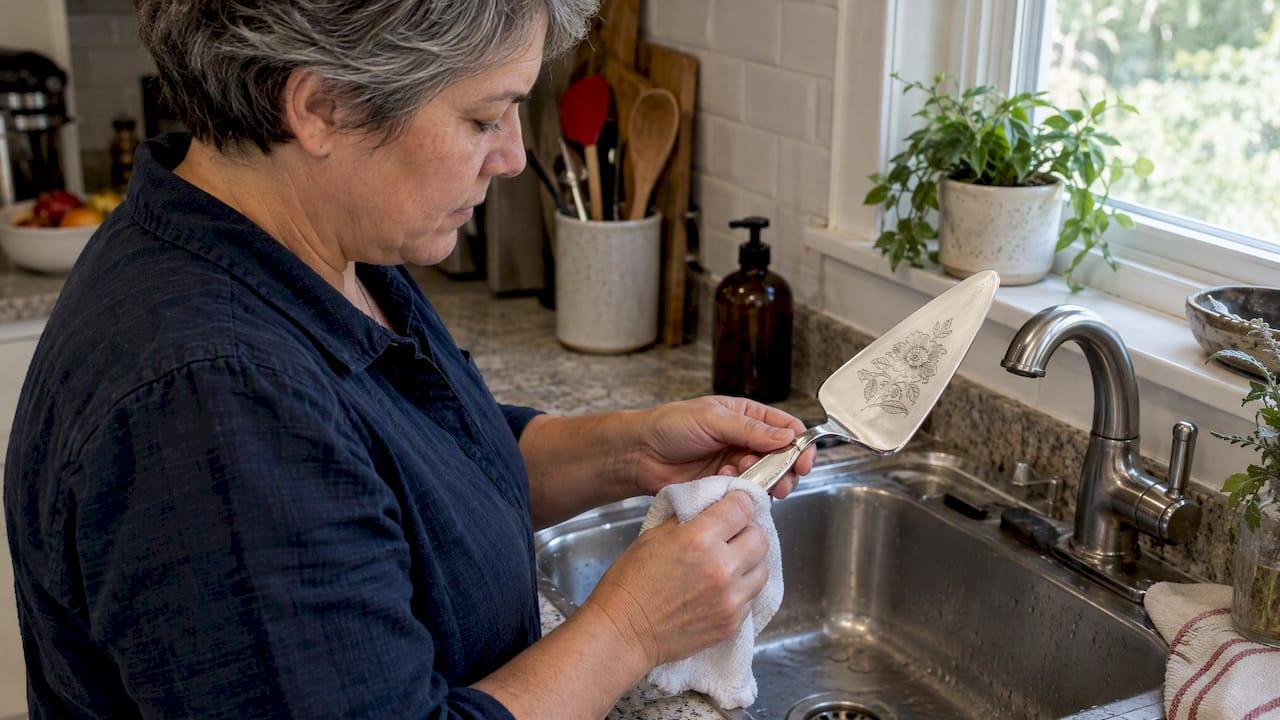
- Dry the server immediately with a soft, lint-free towel, checking the etched area closely for any moisture hiding in the grooves.
This last step matters more than it might seem. Hand-washing and manufacturer care guides for stainless steel flatware consistently point to prompt drying as the step that prevents spotting and staining, as noted in flatware care instructions. A few extra seconds with a towel after washing is a small habit that protects a keepsake meant to last for decades of pie-serving and holiday gatherings.
Removing stains and light rust near the engraving
Food stains and the occasional spot of surface rust happen, especially around an etched design where tiny grooves can trap moisture. A gentle approach handles most of these issues without putting the finish at risk.
- Make a paste of baking soda and water, then work it into stains with a soft cloth using light pressure.
- Rinse the paste away completely and dry the server right afterward.
- For mineral deposits or water spots, a quick rinse with diluted white vinegar can help, but test it on a hidden area first and rinse it off immediately afterward.
- For light surface rust, a soft-bristled toothbrush paired with a non-abrasive cleaner can lift it gently, no heavy scrubbing required.
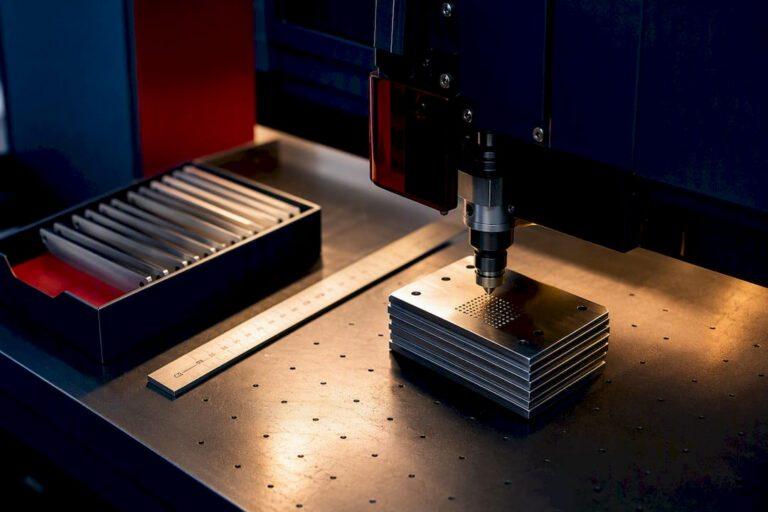
Laser engraving removes a microscopically thin layer of material, which can make the etched surface slightly more prone to corrosion if it stays wet, so prompt rinsing and drying matter more on engraved pieces than on plain stainless steel. This comes directly from engraving industry guidance on caring for laser-marked stainless steel. If rust ever goes beyond a few tiny surface spots, that’s a sign to seek professional attention rather than reach for a stronger home chemical.
Why dishwashers and high heat are risky
Dishwashers combine hot water, aggressive detergents, and long cycles, all of which are harder on an etched finish than they look. Detergent residue and mineral deposits can settle into the fine lines of the design, and the heat alone can dull the polish over time.
- If your server’s manufacturer guidance specifically says it’s dishwasher safe, that instruction can be followed, but rinsing and drying it promptly afterward still helps protect the finish.
- When there’s no clear guidance either way, hand-washing is the safer default for preserving both the etching and the shine.
- If a dishwasher cycle is unavoidable, skip harsh detergent settings and pull the server out as soon as the cycle ends so it isn’t sitting in residual moisture.
Flatware care literature echoes this same advice for engraved and polished pieces, recommending prompt removal and drying after any dishwasher cycle to prevent condensation and staining.
How to store the server so the engraving stays crisp
Good habits between uses matter as much as the washing itself. A server that’s dried properly but stored carelessly can still pick up scratches or spotting before its next trip to the table.
- Dry the server fully and double check the etched area for any trapped moisture before putting it away.
- Store it separately from other metal utensils, or slip it into a soft pouch or cloth wrap to prevent contact scratches in a drawer.
- Wipe up acidic foods like citrus fillings or vinegar-based dishes promptly rather than letting them sit on the blade.
- A gentle polish on the non-etched areas every so often can help maintain shine, but always test it on a small spot first since some polishes are too abrasive for engraved details.
Pro Tip: Keep a small soft pouch just for your pie server. It takes one extra second and saves the finish from years of drawer clutter.
Signature Laser Designs: hands-on care advice from the maker
We craft laser-etched keepsakes, including pie servers, in our Georgia shop, and care guidance goes out with every order because we want these pieces to last well beyond the first use. The habits we recommend here come straight from what we see working on the pieces that leave our shop: rinse and dry immediately after washing, and never bring an abrasive scrubber near an engraved design, no matter how stubborn the stain looks.
A laser-etched gift is meant to hold up through birthdays, holidays, and years of pie-serving, and that only happens with the right everyday habits. We built our custom laser engraving shop around that idea: a thoughtful keepsake should be easy to care for, not fussy.
What matters most in caring for an etched keepsake
The conventional wisdom around stainless steel care tends to focus on polish and shine, as if a streak-free surface is the goal. For an etched piece, that misses the point. The engraving itself, not the mirror finish, is what makes the gift personal, and protecting it means prioritizing dryness and gentleness over any cleaning product’s promise of sparkle.
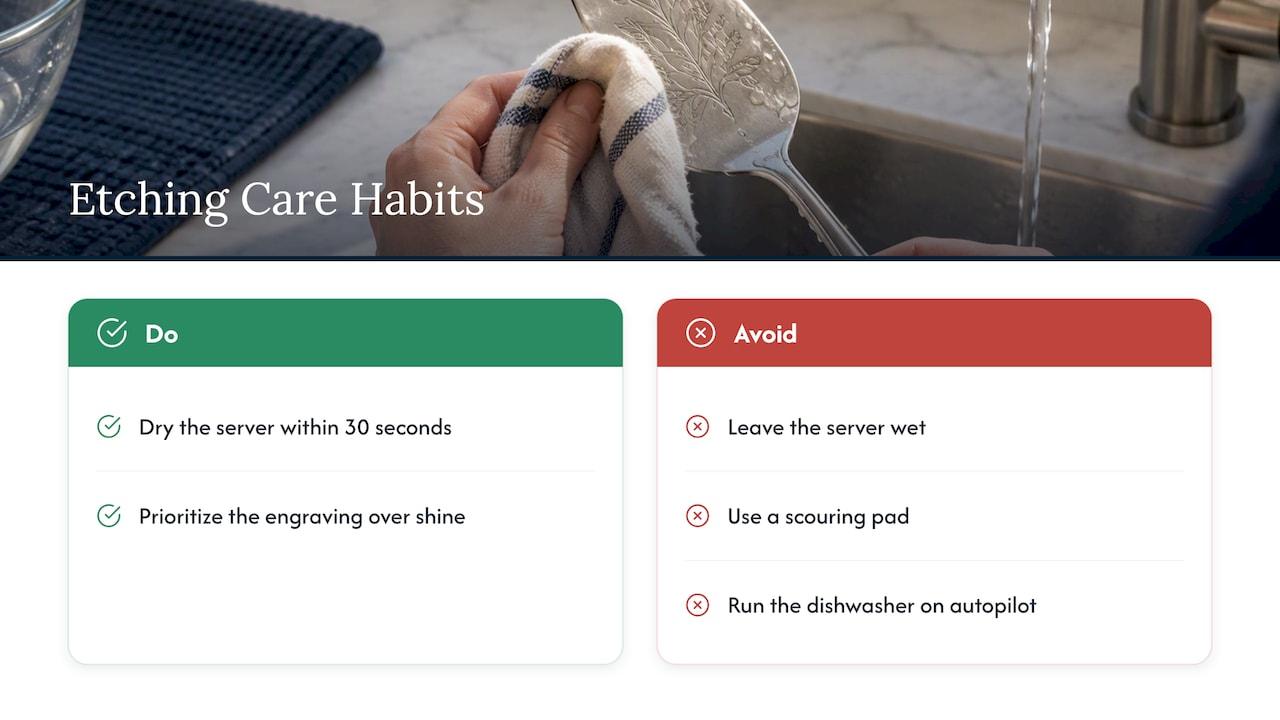
Most damage we hear about doesn’t come from one dramatic mistake. It comes from small habits repeated over time: a server left wet in a drying rack, a scouring pad grabbed out of convenience, a dishwasher cycle run on autopilot. None of those feel careless in the moment.
If there’s one thing worth prioritizing above all else, it’s the thirty seconds right after washing. Dry hands, dry server, dry etching. That single habit prevents more long-term wear than any specialty cleaner ever will.
— Gary
Keep your pie server looking as good as the day it arrived
We offer personalized stainless steel pie servers, and every piece ships with the care guidance in this article so you know exactly how to protect it from day one.
- Browse our custom gift creation services to start a personalized pie server of your own.
- Check out personalization ideas for wedding pie servers if you’re shopping for a couple’s registry or a shower gift.
- Visit our shop to see the full lineup of finished keepsakes ready for personalization.
A well-cared-for pie server becomes part of holiday traditions for years, and we’d love to help you start one.
FAQ
Can I put a laser etched pie server in the dishwasher?
It depends on the manufacturer’s specific guidance. If the piece is labeled dishwasher safe, that instruction can be followed, but hand-washing is the safer default when there’s no clear guidance, since dishwasher heat and detergents can dull the finish and settle into the etched lines.
What household items should I avoid using to clean stainless steel?
Avoid steel wool, scouring pads, wire brushes, and abrasive powders, since they scratch both the polish and the fine engraved details. Bleach and strong acids should also be avoided because they can darken or pit the metal, as noted in kitchen cleaning guidance.
Why does the area around the engraving seem more prone to rust?
Laser etching removes a microscopically thin layer of material from the surface, which can make that area slightly more susceptible to corrosion if moisture lingers, according to engraving industry guidance. Rinsing thoroughly and drying immediately after each wash largely prevents this.
How often should I polish a laser etched pie server?
Polishing isn’t necessary for regular care, and it’s best limited to the non-etched areas of the blade and handle. When you do polish, test the product on a small spot first, since some polishes are too abrasive for an engraved design.
Sources
- Laser engraving stainless steel: processes, grades & clean marks (Thunder Laser USA)
- Amefa care instructions (flatware care)
- Clean and sanitize the kitchen (University of Illinois Extension)
Recommended
- Wedding Pie Server Engraving Ideas Couples Will Love
- 1–3 Inch Engraving Window: Fonts That Work on Wedding Pie Servers
- How to Care for Laser Engraved Wood: Full Guide
- Fix a Laser Engraving That’s Too Light on Wood