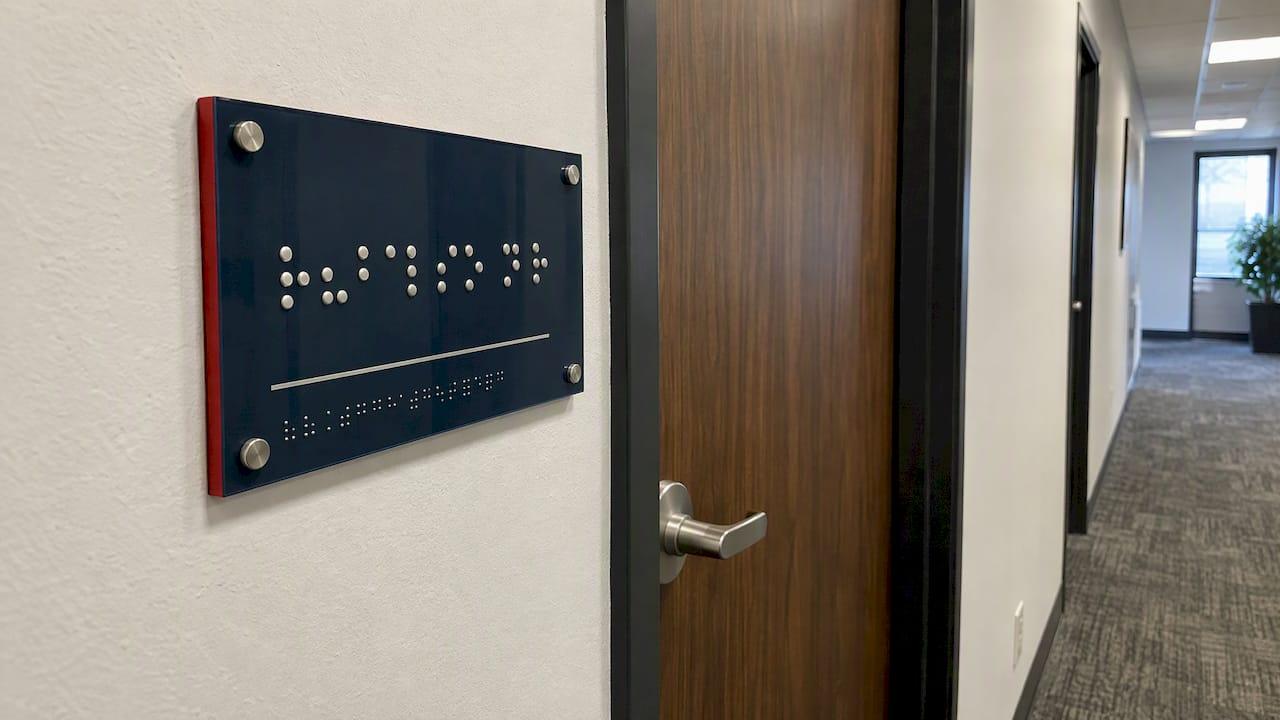
Custom Office Door Signs for Gifts: When Grade 2 Braille Applies
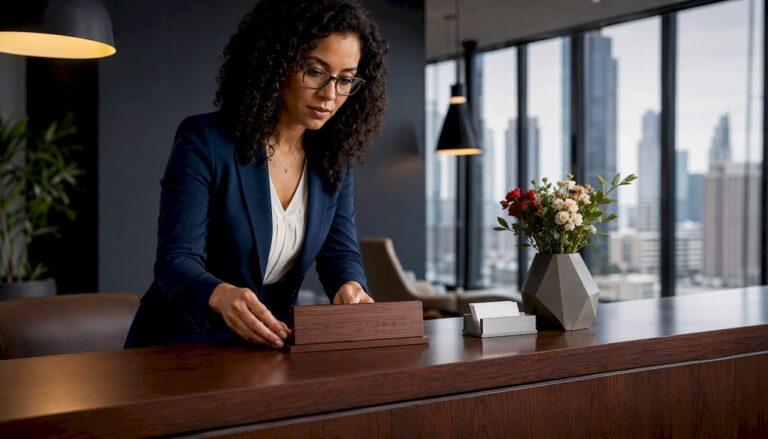
For most office doors, a brushed aluminum or acrylic nameplate strikes the best balance of polish and durability, while any permanent-room label legally required to be accessible needs a tactile sign with Grade 2 Braille. We make personalized desk and gift-style name plates, offering a great starting point when you want a one-of-a-kind piece instead of a mass-produced office supply.
✦ Featured From Our Shop ✦
Handcrafted & laser engraved in Georgia, just for you
TL;DR:
- Permanent room signs need raised characters, Grade 2 Braille, and visual contrast; mount them 48 to 60 inches high with an 18 inch square clear space.
- Laser engraving becomes part of the material and will not peel or fade, while full color UV printing suits multicolor logos but needs durability checks.
- For shared offices with rotating staff, choose a frame with a removable insert so facilities can replace names without ordering a whole new sign.
- Standard sizes, single color engraving, and simple layouts keep costs lower; larger pieces, multiple logo colors, and small quantities raise per sign costs.
- Walnut or brass suits formal executive rooms and gifts, while acrylic or aluminum fits modern offices; wood also needs occasional furniture oil.
Table of Contents
- Popular Styles and Materials for Office Signs
- How to Customize Engraving, Printing, and Logos
- ADA Basics: Tactile Signs, Braille, and Mounting Height
- Ordering Your Sign: Sizing, Proofs, and Turnaround
- What Affects the Price of a Custom Sign
- Shop Our Made-to-Order Signs and Gifts
- Choosing a Sign That Feels Personal
- Order Your Personalized Name Plate Today
- FAQ
- Sources
Popular Styles and Materials for Office Signs
The material you pick sets the tone before anyone reads a single word on the sign. Acrylic has a clean, modern look and comes in clear, frosted, or colored finishes that suit almost any interior, which is part of why design guides treat it as the default for everyday office signage. Brushed aluminum or stainless steel reads as more formal and holds up well if the sign sees a lot of hands or sunlight near an entry. Engraved wood, especially walnut, brings warmth and a personal feel that fits a private office or a thoughtful desk gift. Brass and bronze lean traditional and tend to show up in law firms, medical offices, and other settings where buyers want an heirloom quality.
Each material also has its own upkeep rhythm:
- Acrylic wipes clean with a soft cloth and mild glass cleaner but can scratch if you use abrasive pads.
- Brushed metal resists fingerprints better than polished metal and rarely needs more than a quick dusting.
- Engraved wood benefits from an occasional coat of furniture oil to keep the grain from drying out.
- Brass and bronze develop a natural patina over time, which many buyers actually prefer for an aged, formal look.
For an executive office or conference room, wood or brass photographs well and feels substantial, matching recommendations from expert executive office design for busy leaders. Open-plan desks and modern suites usually look better with acrylic or aluminum, which stay sharp-edged and bright.
How to Customize Engraving, Printing, and Logos
Laser engraving cuts directly into the material, so the text and any logo become part of the surface and won’t fade or peel. Full-color UV printing adds more visual punch, especially for logos with multiple colors, but the ink sits on top of the material, so it’s worth asking how a finish holds up to regular handling before you commit to a busy design.
- Start with the name, since that’s what people read first and it should dominate the layout.
- Add a title or role underneath in a smaller size.
- Include a department or room function only if there’s room without crowding the name.
- Add a logo last, scaled to sit comfortably in a corner or above the text rather than competing with it.
Shared offices and rotating staff do better with interchangeable plates: a frame with a removable insert lets facilities swap a name in minutes instead of ordering a brand-new sign every time someone changes desks.
Pro Tip: Send logos as vector files (SVG, EPS, or AI) whenever possible. Pixel-based images can look blurry once they’re scaled up for engraving.
ADA Basics: Tactile Signs, Braille, and Mounting Height
Not every office sign needs to meet accessibility standards, but permanent-room identification does, and getting it wrong is one of the more common mistakes we see buyers make. Decorative nameplates that announce who sits at a desk are treated differently from signs that permanently label a room, like a restroom, conference room, or office number.
Accessible signs for permanent rooms generally need raised characters duplicated in Grade 2 Braille, a non-glare finish, and strong visual contrast, mounted between 48 inches and 60 inches above the floor, according to the U.S. Access Board’s Chapter 7 guidance. That same guidance calls for an 18-inch by 18-inch clear floor space centered on the tactile characters, so someone can stand close enough to read by touch without obstruction.
A few details matter beyond the basics:
- Tactile signs are typically mounted on the latch side of the door, which helps someone to navigate by touch locate signage consistently near door hardware.
- Where latch-side space isn’t available, signs may be placed on the nearest adjacent wall instead.
- Occupant names can often stay visual-only rather than tactile, since the 2010 ADA Standards focus tactile requirements on permanent room identification, not the person currently using the space.
If you’re labeling a conference room, restroom, or any space that’s part of a building’s permanent layout, plan for a compliant tactile sign from the start rather than retrofitting one later.
Ordering Your Sign: Sizing, Proofs, and Turnaround
Getting a sign right starts with accurate measurements and clear artwork, long before production begins.
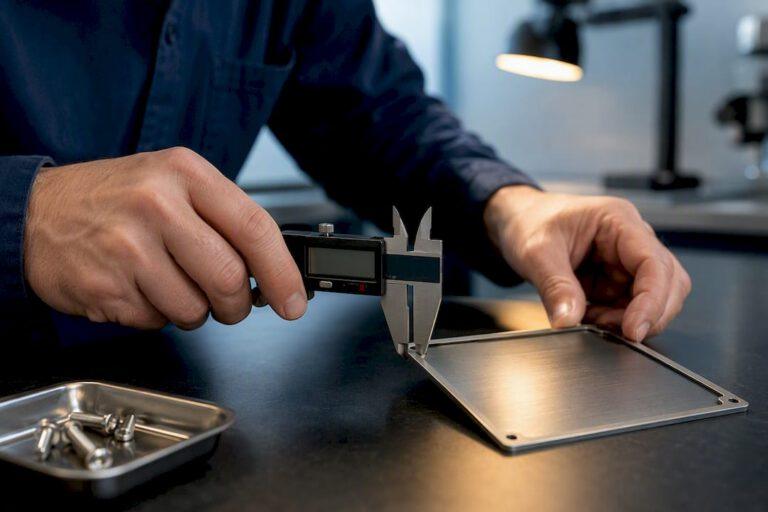
- Measure the door or wall space where the sign will hang, and compare it against standard sizes, which are usually more affordable than custom dimensions.
- Submit logos as vector files when you have them, since they scale cleanly for both engraving and printing.
- Expect a digital proof showing layout, font, and placement before anything goes into production, and use that step to catch spelling or sizing issues.
- Confirm the turnaround window up front, since engraved pieces with multiple elements take longer than a simple single-line name plate, and ask about rush options if you’re working against a deadline.
A clear proof-and-approval step protects both sides: it gives you a last chance to fix small errors, and it keeps production moving once you sign off.
What Affects the Price of a Custom Sign
A handful of variables drive the price of any custom sign up or down, and understanding them helps you budget before you start designing.
- Material is usually the biggest factor: engraved wood and metal plates typically cost more than acrylic.
- Size and thickness add cost gradually, since larger or heavier pieces use more raw material.
- Full-color printing or multiple logo colors adds setup time compared to single-color engraving.
- Quantity matters too: a bulk order of matching signs for an office suite often costs less per piece than a single personalized gift, since production setup gets spread across more units.
If you’re watching your budget, sticking to a standard size, single-color engraving, and a simple layout keeps costs down without sacrificing a polished look.
Shop Our Made-to-Order Signs and Gifts
We run our laser engraving shop out of Georgia, where every piece is made to order rather than pulled from a warehouse shelf. That means a personalized acrylic desk name plate or a walnut or piano-finish name plate gets your exact name, title, and font choice before it ever touches the laser.
Buyers who want something with more presence often choose our executive framed plaque, which suits a retirement gift or a long-tenured team member’s desk just as well as a new hire’s first office.
What that process looks like for you:
- Personalization is entered on the product page, so you can see your text before ordering.
- Each piece is engraved after ordering, not pulled from stock.
- Finished gifts and office plates ship directly from the engraving shop.
Choosing a Sign That Feels Personal
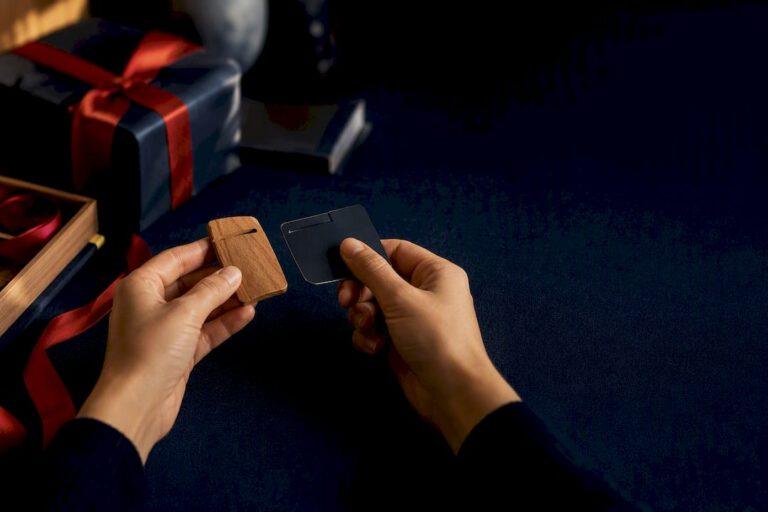
A good nameplate should feel like it was made for the person using it, not pulled off a shelf. We see this most clearly in gift orders: walnut and piano-finish plates show up again and again for retirement gifts and executive promotions, while acrylic tends to win over buyers furnishing a newer, brighter office. The best sign is rarely the most expensive one. It’s the one that matches how the room already looks and feels.
— Gary
Order Your Personalized Name Plate Today
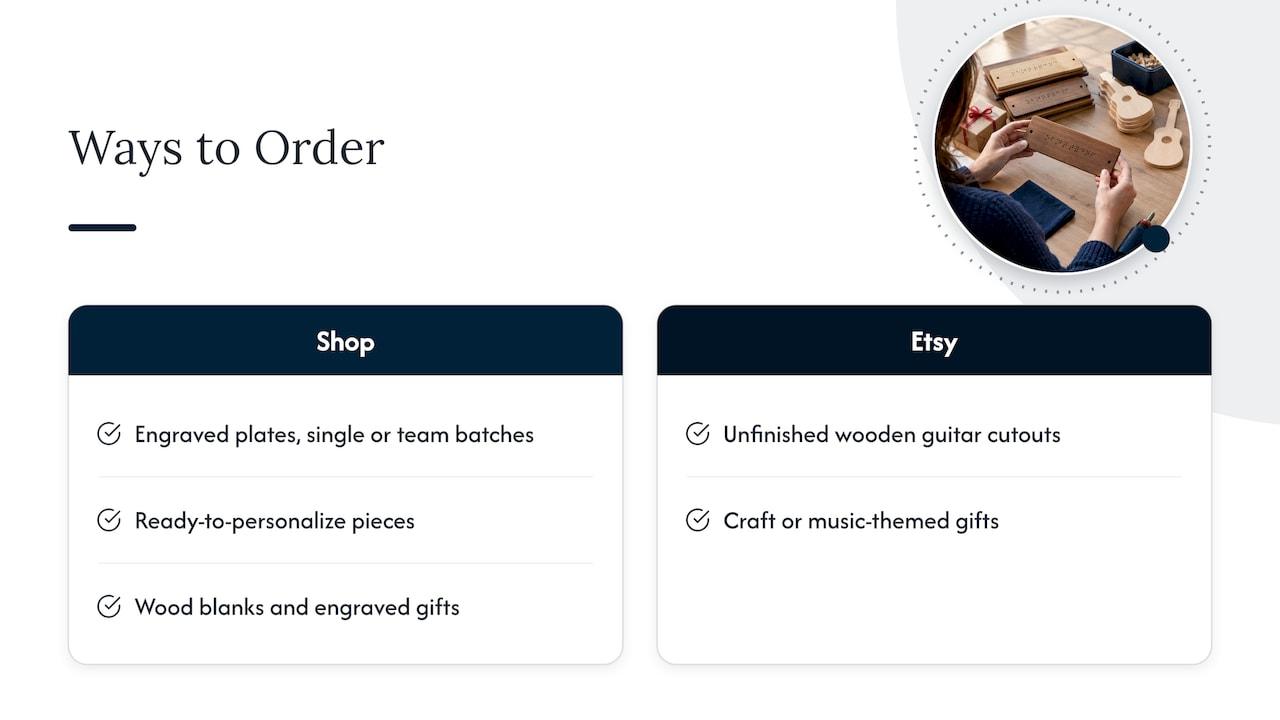
Whether you’re outfitting a new office or picking out a meaningful gift, our Custom Gift Creation service covers everything from a single engraved desk plate to a small batch for a whole team. Browse ready-to-personalize pieces in our shop, or start with our wood blanks and engraved gift collection if you want to see the full range of materials and finishes.
Looking for an unfinished cutout instead, like a wooden guitar cutout sign (on Etsy) for a craft project or music-themed gift? We carry those pieces on our Etsy storefront.
FAQ
Where can I find custom name plates for my office doors?
You can order personalized name plates directly from a made-to-order engraving shop like ours, where you enter your name and title on the product page before production. Office supply retailers also sell name plates, but most offer fewer material and finish choices than a dedicated engraving shop.
How much do office door signs typically cost?
Price depends mainly on material, size, and how complex the engraving or printing is, with wood and metal generally costing more than acrylic. Ordering standard sizes with single-color engraving is one of the most reliable ways to keep costs down.
Can I print my own office door signs?
You can print a basic paper or laminated sign at home, but it won’t hold up to daily handling the way an engraved acrylic, wood, or metal plate does. For a permanent-room sign that must meet accessibility rules, a compliant tactile sign with Grade 2 Braille needs to be professionally made.
What are some good signs for office doors?
Acrylic and brushed aluminum suit modern, open-plan offices, while engraved wood or brass fit executive offices and formal settings better. Any permanent room, like a restroom or conference room, needs a tactile sign with Braille mounted between 48 and 60 inches above the floor, per Access Board guidance.
Recommended
- ADA Restroom Sign with Braille | 6" x 9" Ready to Hang
- Custom Office Check-In Desk Signage: Order the Perfect Sign
- Engraved Check-In Sign | Office & Reception Desk Sign