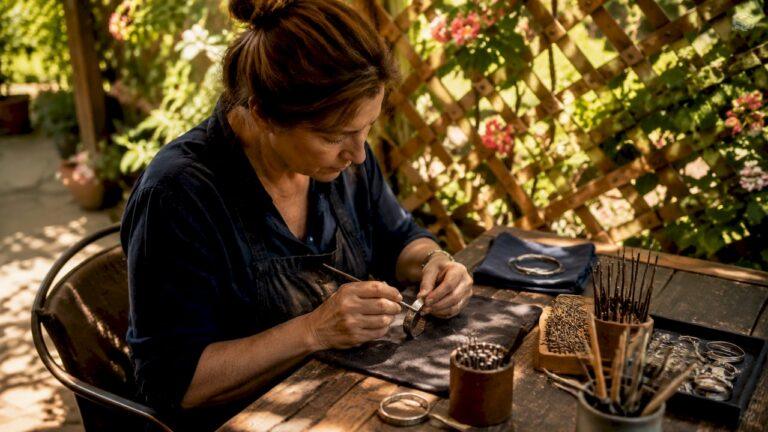
Why Crafters Use Custom Engraving: Real Benefits
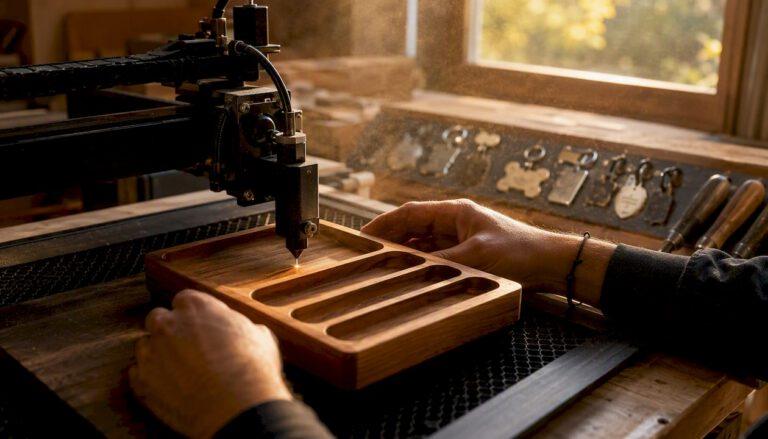
Custom engraving is a material-removing process that creates permanent, recessed marks on wood, metal, glass, and acrylic, making it the top personalization method for crafters who need lasting results. Unlike markers, paint pens, or printed decals, engraving physically removes material from the surface. That difference is what separates a mark that lasts decades from one that fades in months. Tools like laser engravers, rotary engravers, and handheld engraving pens have made this technique accessible to home crafters and small-batch sellers alike. Understanding why crafters use custom engraving starts with three core advantages: repeatability, durability, and perceived value.
✦ Featured From Our Shop ✦
Handcrafted & laser engraved in Georgia, just for you
Why crafters use custom engraving for consistent results
Handwritten signatures and paint pen logos look charming on a single piece. They become a liability when you are producing a set of 12 cutting boards or 50 wedding favors. Engraving removes variables like pen pressure and ink flow, making results remarkably repeatable once tool speed and depth are dialed in. That consistency is the foundation of a recognizable maker brand.
Crafters who sell on platforms like Etsy or at craft fairs know that buyers notice when a logo looks slightly different from piece to piece. A laser engraver or rotary tool set to the same parameters produces the same mark every single time. That reliability builds trust with buyers and saves you from re-doing work. For anyone producing sets or collections, consistent laser personalization is not a luxury. It is a production requirement.
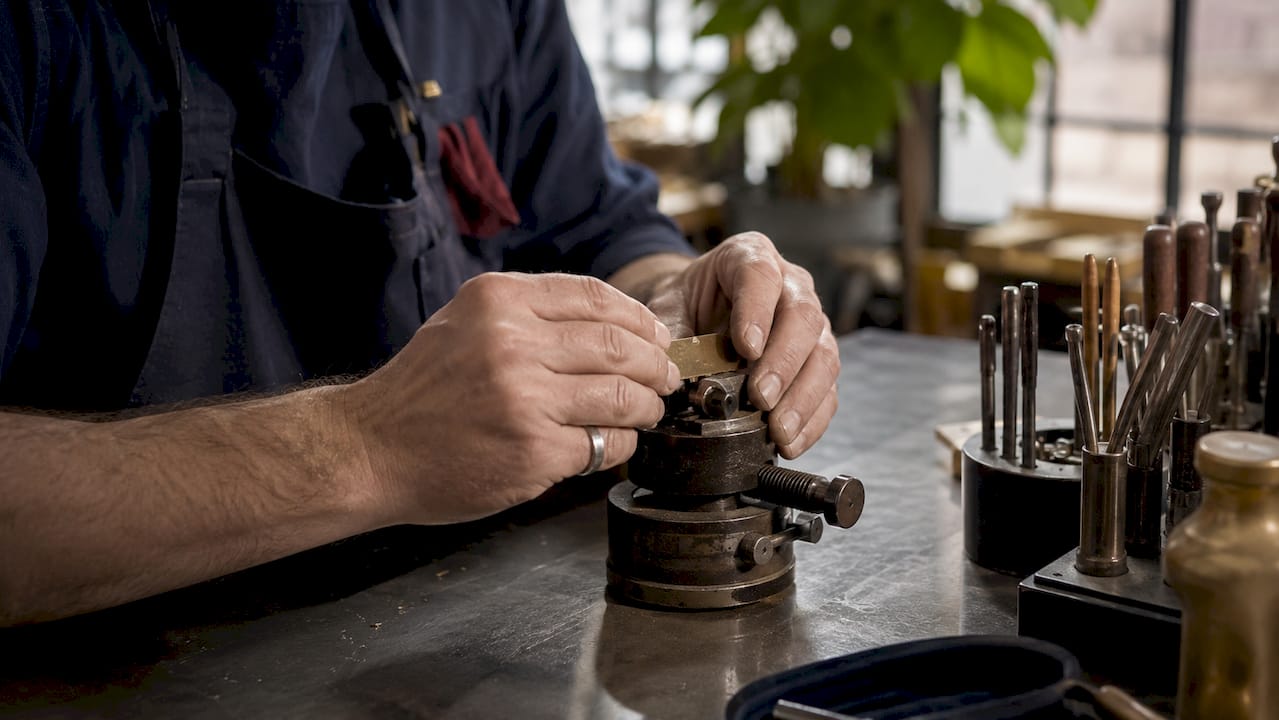
Building a recognizable brand identity also depends on how your mark looks across different materials. Engraving scales well from soft pine to dense hardwood to anodized aluminum without requiring a different tool or technique for each surface. You simply adjust speed and power settings. That flexibility makes engraving the preferred method for crafters who work across multiple product lines.
Pro Tip: Always run a calibration pass on a scrap piece of the same material before engraving your final product. This single step eliminates the most common cause of inconsistent depth and burn marks.
Does engraving last longer than printing or painting?
The short answer is yes, by a wide margin. Laser engraving vaporizes material creating a permanent impression that lasts years without degradation. Printed labels, decals, and paint pen marks sit on top of the surface, which means friction, moisture, and cleaning chemicals attack them from day one.
The lifespan difference is significant. Engraved tags last 20+ years while printed tags typically last 2–10 years depending on the environment. For a crafter selling heirloom cutting boards or personalized tools, that gap matters enormously. A gift that still looks perfect in 15 years creates a very different impression than one that fades by year three.
Here is a direct comparison of the two methods across the factors that matter most to crafters:
| Factor | Engraving | Printing or Painting |
|---|---|---|
| Lifespan | 20+ years | 2–10 years |
| Resistance to friction | Excellent | Poor to moderate |
| Resistance to cleaning chemicals | Excellent | Poor |
| Appearance over time | Unchanged | Fades, chips, or peels |
| Setup cost | Higher upfront | Lower upfront |
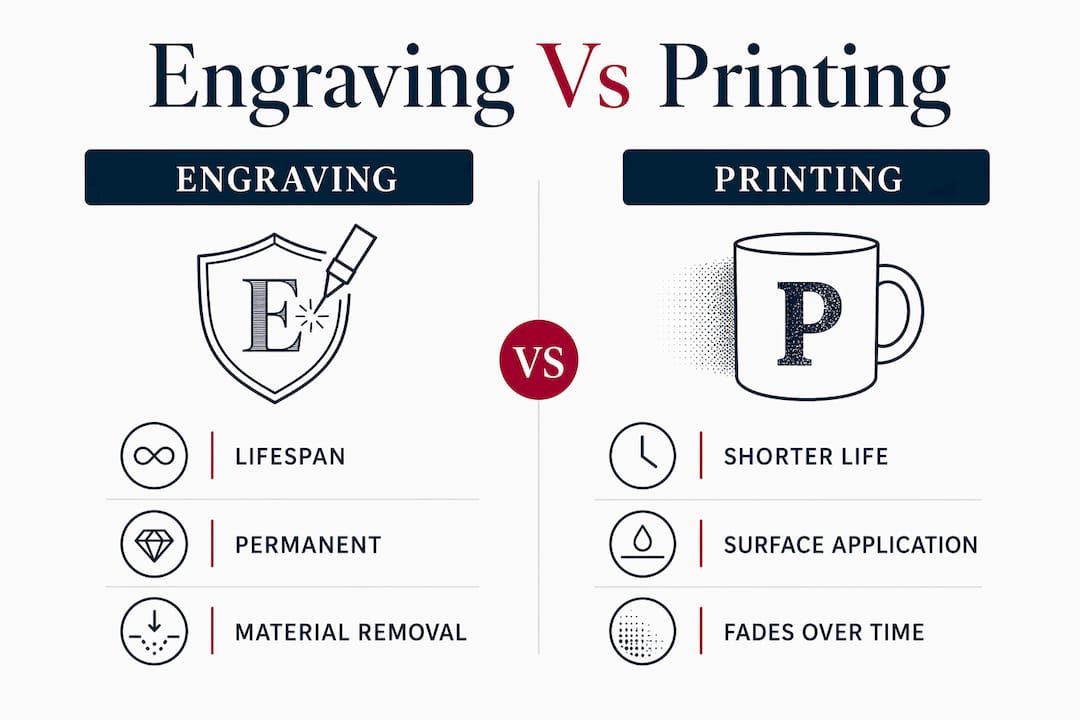
Engraving’s permanence comes from material removal, not surface application, making it lasting even with heavy use. That physical characteristic is what makes engraved gifts feel premium. You are not adding something to the surface. You are changing the surface itself.
One honest caveat: recessed engraved grooves can trap dirt, which matters for kitchen items or tools that get washed frequently. A quick brush or toothpick clears most grooves easily, but it is worth mentioning to customers who buy engraved cutting boards or utensils.
Pro Tip: For items that will be washed regularly, choose a shallower engraving depth. Shallow marks are easier to clean and still outlast any printed alternative by years.
How does engraving increase the perceived value of crafts?
Personalization transforms a generic object into something that feels made specifically for one person. A $3 blank board becomes a $25–$35 personalized product with about 2 minutes of laser engraving time. That is $15–$25 of perceived value added in under 120 seconds. No other personalization method delivers that kind of return on a crafter’s time.
The psychology behind this is straightforward. Customization increases uniqueness and self-expressiveness for customers, which directly boosts repeat purchase intent. When someone receives an engraved item with their name, a meaningful date, or a personal message, the object carries emotional weight that a printed sticker simply cannot replicate. That emotional connection is why engraved glassware is perceived as premium and consistently meets consumer expectations for meaningful gifts.
Crafters who add engraving to their product line report several consistent benefits:
- Buyers are willing to pay significantly more for personalized versions of the same base product.
- Engraved items are returned far less often because they feel intentional and custom-made.
- Gift buyers specifically seek out engraved options because they signal effort and thoughtfulness.
- Products with engraved maker marks are perceived as more professional and trustworthy.
The advantages of personalized engraving extend beyond the sale itself. Customers who receive a beautifully engraved item are more likely to share it on social media and recommend the maker to friends. That word-of-mouth effect is organic marketing that no paid ad can fully replicate.
What should crafters know before starting engraving projects?
Starting your first engraving project is exciting, and a little preparation goes a long way toward great results. The most common mistake new crafters make is skipping the test phase. Speed, power, and material density all interact in ways that are hard to predict without hands-on testing. Run a test grid on scrap material before committing to your final piece.
Design prep and order management consume more time than the actual engraving process for most crafters running a small business. This surprises a lot of people. You might spend 10 minutes engraving a set of coasters but 30 minutes preparing the design files, confirming spelling, and organizing the order details. Building a library of reusable design templates is one of the best investments you can make early on.
Here is a practical starting checklist for new engravers:
- Test your settings first. Run a speed and power grid on the same material you plan to use for your final product.
- Source quality blanks. Cheap blanks with inconsistent grain or surface coatings produce unpredictable results. Invest in consistent stock from a reliable supplier.
- Understand your material options. Wood, acrylic, leather, and metal each behave differently. A guide to plastics for laser cutting is a useful reference for acrylic and polymer projects.
- Build reusable design templates. Standardize your fonts, logo sizes, and placement guides so each order takes less setup time.
- Plan for cleaning. Remind customers that engraved kitchen items benefit from a quick groove cleaning, especially in the first few uses.
Accessible tools for hobbyists include desktop laser engravers from brands like xTool and Glowforge, as well as handheld rotary engraving pens for smaller detail work. Each has a learning curve, but both deliver professional results once you understand your material and settings.
Pro Tip: Treat every new material as a new calibration project. Even switching from one wood species to another can require a power adjustment. Keep a settings log so you never have to guess twice.
Key takeaways
Custom engraving adds lasting value to crafted items because it creates permanent, repeatable marks that printed or painted alternatives cannot match in durability, consistency, or perceived worth.
| Point | Details |
|---|---|
| Repeatability over hand methods | Engraving eliminates pen pressure and ink flow variables, producing the same mark every time. |
| Durability advantage | Engraved marks last 20+ years compared to 2–10 years for printed or painted alternatives. |
| Value uplift is real | A $3 blank can become a $25–$35 product with just 2 minutes of laser engraving. |
| Emotional connection drives sales | Personalized engraving boosts perceived uniqueness and repeat purchase intent. |
| Preparation prevents mistakes | Testing settings on scrap material and building design templates saves time and reduces errors. |
Why engraving changed how i think about crafting
I used to sign my woodwork with a paint pen. It looked fine on the first piece. By the time I was making sets of six or eight items, the inconsistency was obvious and honestly a little embarrassing. Switching to a laser engraver felt like a big commitment at first, but the difference in quality was immediate and impossible to ignore.
What surprised me most was not the durability or even the consistency. It was the reaction from people receiving engraved pieces as gifts. There is a moment when someone runs their finger across an engraved name or date and you can see them register that this is permanent. That it was made for them. No printed label or painted signature creates that moment.
The one lesson I wish someone had told me earlier: your bottleneck is never the engraver. It is always the design prep. Get your templates organized before you scale up, or you will spend more time in front of a computer than at your workbench. That is the part most tutorials skip, and it is the part that actually determines whether engraving works for your workflow.
If you are on the fence about adding engraving to your craft practice, start small. One tool, one material, one design. The learning curve is shorter than you think, and the results speak for themselves.
— Gary
Ready to add professional engraving to your projects?
At Signaturelaserdesigns, we work with crafters and DIY enthusiasts who want professional results without the guesswork. Whether you are creating a one-of-a-kind keepsake or a batch of personalized gifts, our team delivers precise, consistent engraving on wood, metal, glass, acrylic, and more.
Every order is handled with care, and our custom design services make it easy to bring your vision to life. You choose the material, the message, and the style. We handle the precision. Explore our precision engraving services to see what is possible, or browse our engraved keepsakes collection for gift ideas that truly last.
FAQ
What is custom engraving and how does it work?
Custom engraving is a material-removing process where a laser or rotary tool cuts a permanent, recessed mark into a surface like wood, metal, or glass. The result is a durable impression that cannot chip, peel, or fade the way printed or painted marks do.
Why do crafters choose engraving over printing or stickers?
Engraved marks outlast printed alternatives by a significant margin, with engraved tags lasting 20+ years compared to 2–10 years for printed labels. Crafters also prefer engraving for its consistency across large batches and its premium appearance.
How much value does engraving add to a handmade product?
A plain $3 blank can sell for $25–$35 after laser engraving, adding $15–$25 in perceived value in about 2 minutes of work. That value increase comes from the personalization itself, not the material cost.
What materials can crafters engrave?
Wood, metal, glass, leather, acrylic, and certain plastics are all compatible with laser or rotary engraving. Each material requires different speed and power settings, so testing on scrap pieces before production is always recommended.
Is custom engraving hard to learn for beginners?
The basic technique is accessible to most DIYers within a few practice sessions. The real learning curve is in calibrating settings for each new material and building efficient design workflows, not in operating the engraving tool itself.
Recommended