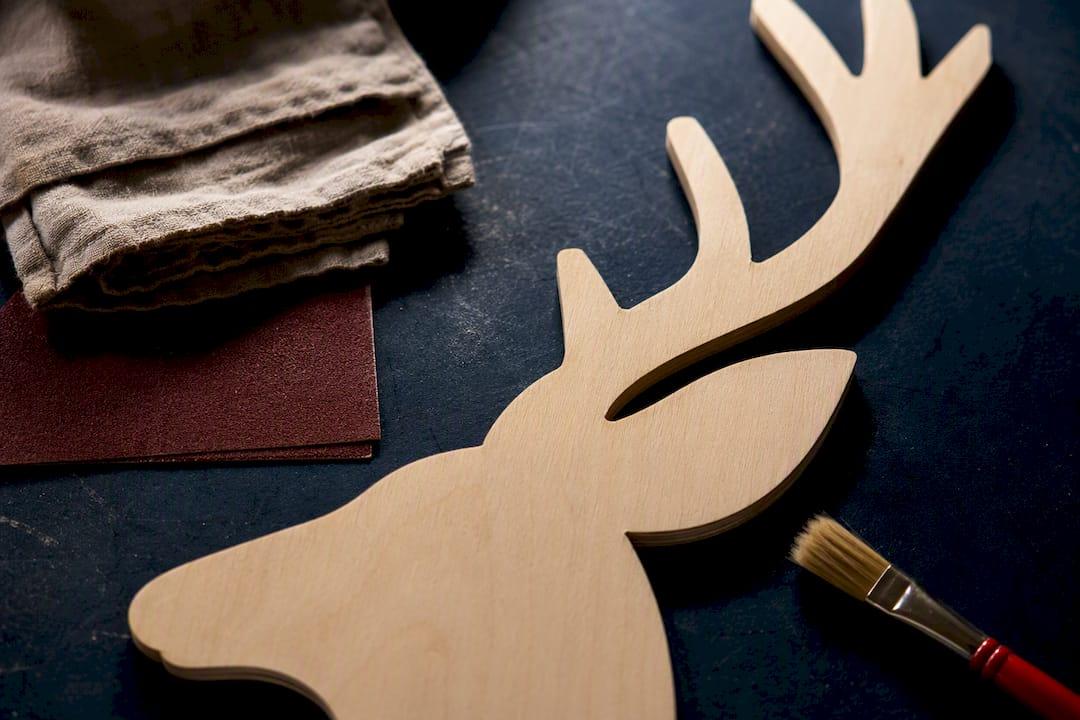
For most crafters, a pre-cut unfinished deer head wooden wall cutout in Baltic birch is the fastest, most reliable place to start. It arrives ready to sand, stain, or paint, and standard marketplace sizing generally fits many living rooms and gallery walls. If you need a specific dimension, thicker stock, or extra antler detail, a custom laser shop is the better route. Start your search on marketplaces for stock sizes or with a laser shop for anything custom.
✦ Featured From Our Etsy Shop ✦
Handcrafted & Laser Engraved Just For You
TL;DR:
- Marketplaces offer a wide selection of ready-made deer head cutouts at low prices but with fixed sizes and variable quality.
- Custom laser shops provide tailored sizing, cleaner edges, and specific materials like Baltic birch, but with longer lead times and higher costs.
- Baltic birch plywood is ideal for staining due to its even grain, with a recommended thickness of at least 1/4 inch for durability and detail preservation.
- Finishing involves sanding, priming (for MDF), and applying stain or paint, followed by sealing with a clear topcoat for longevity.
- Proper mounting depends on the wall type and weight, with larger pieces requiring support like D-rings and drywall anchors for stability.
Table of Contents
- What Are My Options for Buying an Unfinished Wooden Deer Head Cutout?
- Which Material and Size Hold Detail Best?
- How Do You Finish an Unfinished Deer Head Wall Cutout?
- How Should You Hang a Wooden Deer Head Wall Cutout?
- What Should You Check Before You Buy?
- What Are Some Creative Ways to Finish a Deer Head Cutout?
- A Laser Shop’s Take on Buying and Finishing These Pieces
- Custom Sizing and Finishing Through Signaturelaserdesigns
- Where to Learn More About Materials and Finishing
What Are My Options for Buying an Unfinished Wooden Deer Head Cutout?
You have three realistic paths to get your hands on a deer head wood cutout wall decor piece, and each one fits a different kind of project.
Marketplaces like Etsy carry the widest selection of ready-made blanks at the lowest price points, and you can browse dozens of silhouette styles in minutes. That convenience comes with a trade off: sizing is fixed to whatever the seller lists, and quality varies from shop to shop.
Custom laser shops are the better call when you need a nonstandard size, a specific material, or cleaner edge control than a mass-produced blank offers. You send over dimensions (or a reference image), and the shop cuts it to order. Lead times run longer than a marketplace purchase, but you get exact control over scale and detail.
Local craft stores occasionally stock plain wooden animal silhouettes, deer included, for shoppers who want something in hand today.
- Marketplaces: low cost, huge style variety, fixed sizing
- Custom laser shops: made-to-order sizing, cleaner edges, longer lead time
- Craft stores: immediate availability, limited style and size options
Which Material and Size Hold Detail Best?
Material choice determines whether your finished piece looks intentional or looks like a school project. Baltic birch plywood is the top pick for anyone planning to stain their cutout, since its smooth, consistent grain takes stain and paint evenly without blotching.
MDF and HDF cost less, but they lack a real wood grain, so they only work well for opaque paint finishes. Skip MDF entirely if you want the natural wood grain to show through a stain.
Thickness matters more than most first-time buyers expect. Quarter-inch stock is the standard for wall art this size, similar to the sanded plywood used in smaller craft cutouts, while anything under 1/8 inch tends to flex and warp over time. Half-inch stock adds rigidity for larger statement pieces but costs more and weighs more on the wall.
Scale affects whether multi-point antlers stay readable at all. Cutouts smaller than around 8 inches tend to lose the fine branching detail in a deer’s antlers, so anything smaller than that reads as a generic blob rather than a rack.
Quick reference:
- Baltic birch: best for stain, visible grain, mid-range cost
- MDF/HDF: best for paint only, lowest cost, needs sealing
- Recommended thickness generally ranges from thin to thicker stock, with a medium thickness common for most wall pieces
- Minimum size for antler detail: 8 inches or larger
How Do You Finish an Unfinished Deer Head Wall Cutout?
Finishing is where a plain wooden deer head silhouette becomes actual home decor. Here’s the order that gives you the cleanest result.
- Sand the surface and edges. Laser cutting leaves darker burn marks along the outline, and a light pass with fine-grit sandpaper smooths them out before finish goes on.
- Wipe away dust with a dry or slightly damp cloth so paint and stain adhere evenly.
- Prime MDF pieces before painting. MDF soaks up paint unevenly without a sealing coat, leading to a blotchy, rough surface.
- Choose your finish method. Stain shows off Baltic birch’s grain; opaque paint works on any substrate, including MDF; pyrography (wood burning) adds texture and detail directly into the surface.
- Apply in thin layers. Spray paint gives the smoothest coat for detailed antler edges; a brush works fine for broader panels.
- Seal with a clear topcoat to protect your paint or stain from dust and humidity over time, a step worth taking seriously according to standard wood care guidance.
Pro Tip: If you’re staining Baltic birch, do a test swatch on an offcut first. Birch can take stain color differently than the sample chip on the can, and you don’t want to find that out on your finished piece.
Tools checklist: fine-grit sandpaper, tack cloth, primer (for MDF), acrylic or spray paint or wood stain, foam brushes or a fine-tip wood burner, and a matte or satin clear topcoat.
How Should You Hang a Wooden Deer Head Wall Cutout?
Mounting hardware depends almost entirely on weight and wall type, so match the hanger to the piece before you drill anything.
- Small, lightweight cutouts (under a foot or so) hang fine with removable adhesive strips, a loop of ribbon over a small nail, or a single picture hook.
- Larger or thicker pieces need real support: sawtooth hangers or D-rings screwed into the back distribute weight evenly.
- Drywall without a stud behind it calls for a plastic or metal drywall anchor rated for the cutout’s weight, not just a bare nail.
- Hitting a stud is always the stronger option when one lines up with your placement, since screws into wood studs hold significantly more weight than any drywall anchor.
- For a gallery-wall layout, dry-fit your arrangement with painter’s tape on the floor first, then use a level when you transfer it to the wall.
What Should You Check Before You Buy?
A quick checklist keeps you from getting surprised by a listing that looks great in photos but doesn’t match your project.
- Confirm the material (Baltic birch, plywood, or MDF) and match it to your planned finish.
- Check listed thickness. Quarter-inch is standard; anything thinner may need extra reinforcement.
- Ask about edge finish. Some sellers pre-sand laser-burned edges; others ship them raw.
- Verify the exact size in inches, not just a category like “medium.”
- Read the return policy before buying, especially for custom orders that can’t be resold.
- Ask a custom shop about lead time and file requirements. Most shops need a vector file or want you to choose from their existing templates, and policies vary by shop on whether they’ll modify an existing design.
Budget expectations shift with size and material. Small MDF blanks sit at the low end of the price range, while larger Baltic birch pieces with intricate antler detail cost more, since material and design complexity are the two biggest cost drivers on any custom laser order.
What Are Some Creative Ways to Finish a Deer Head Cutout?
The same wooden deer head silhouette can look completely different depending on the finish you choose, so it helps to see the range before you commit to one.
- A rustic stained trophy head mounted on a reclaimed wood plank reads as classic cabin decor, especially when the plank shows its own natural grain and knots.
- Soft pastel paint turns the same silhouette into nursery art or a gentle seasonal accent piece.
- Layering two or three cutout sizes at slightly different depths creates a 3D shadow effect that a single flat piece can’t match.
- Interchangeable antler pieces, swapped out with mini wreaths or seasonal ornaments, let one base cutout serve multiple holidays and seasons throughout the year.
A Laser Shop’s Take on Buying and Finishing These Pieces
Most customers who order deer head blanks from a shop like Signaturelaserdesigns ask for one of two things: a specific size to fit an existing wall gap, or Baltic birch because they already know they want to stain it. Budget usually scales with those two variables. A small MDF piece for painting costs far less than a large Baltic birch cutout with fine antler branching, since bigger, more detailed cuts simply take more material and machine time.
— Gary
Custom Sizing and Finishing Through Signaturelaserdesigns
A custom laser cutting service is the alternative to a generic marketplace listing when your wall space, budget, or design vision doesn’t match whatever size happens to be in stock. You provide the dimensions, the material, and how much antler detail you want, and the shop cuts it to match instead of you compromising on a stock silhouette.
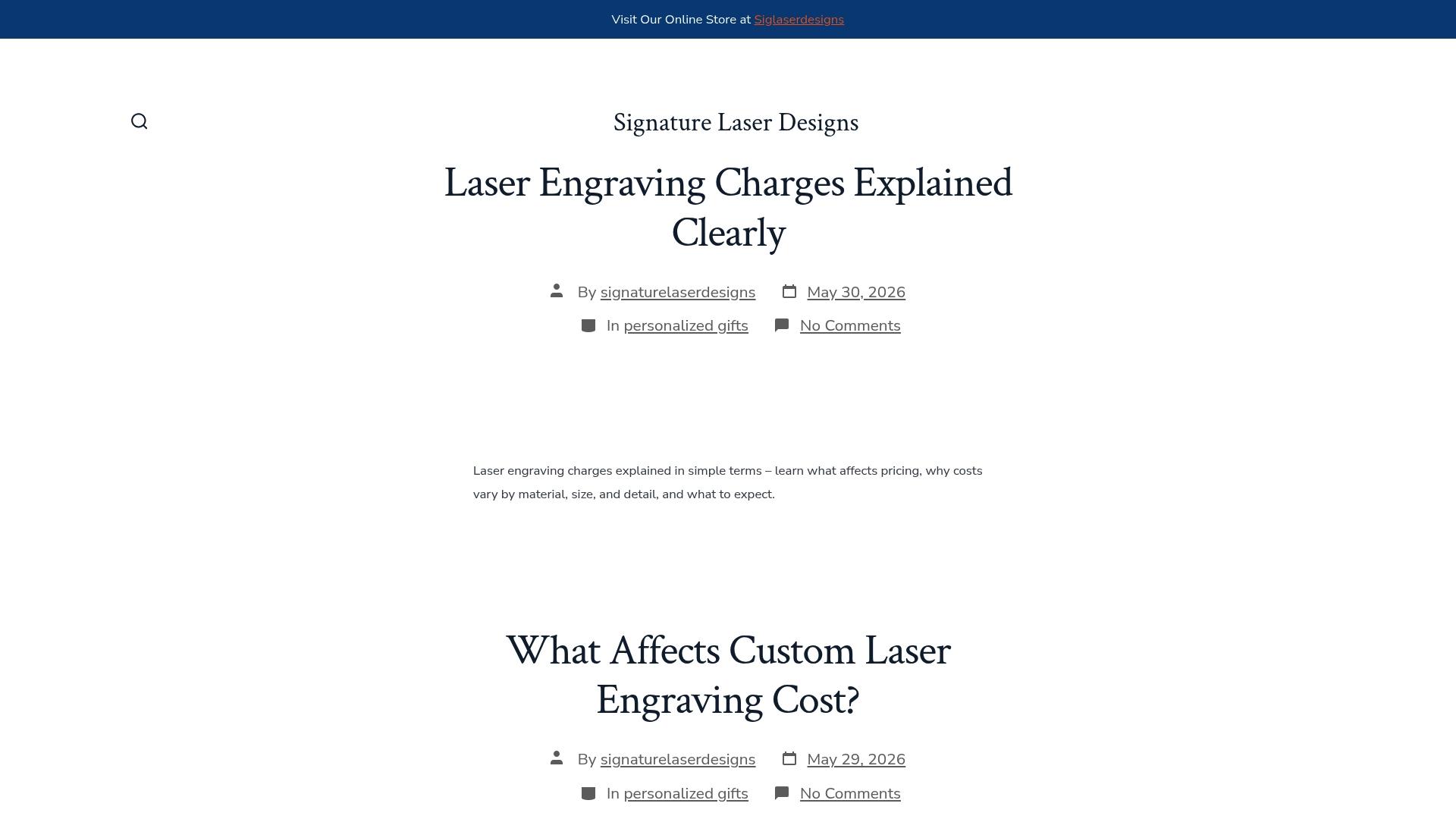
Choose a custom order over a mass-market blank whenever you need an exact fit, a material upgrade to Baltic birch for staining, or edge sanding done before it ships to save yourself a prep step. Our pricing depends on material, size, and design complexity, so you know roughly what to expect before you commit. Beyond wall decor, we cut and engrave personalized keepsakes and practical gifts too, from a custom engraved pie server to a wooden-handle can opener or industrial parts marking for shop and warehouse use. Reach out through our site with your size and material preference, and we’ll get a quote back to you with a realistic lead time for your project.
Where to Learn More About Materials and Finishing
For deeper detail on wood selection, browse our laser-cut wood cutout guide and care and finishing walkthrough. For background on how wood behaves under different cutting and machining setups, the Anderson Group Australia materials overview is a useful reference.
Recommended
