Crafters: 3mm or 6mm Laser Cut Wood Sunglasses Blanks That Finish Well
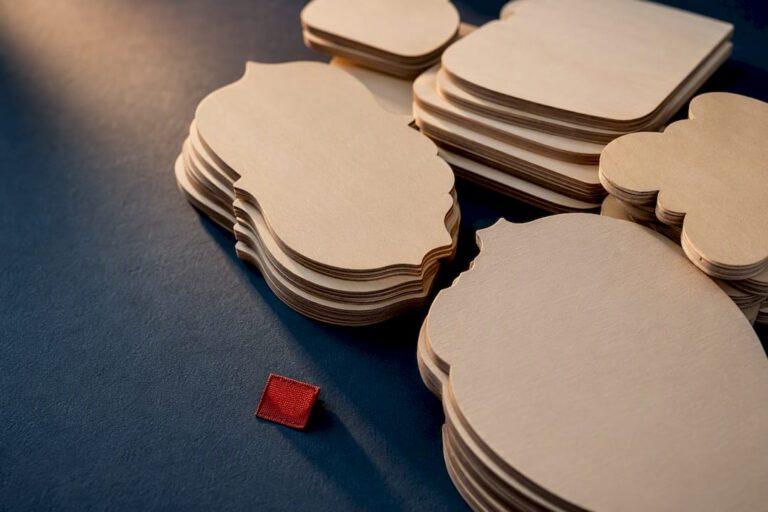
For most crafters, the best choice is laser-grade plywood cut to 3mm (1/8 inch) for lightweight ornaments or 6mm (1/4 inch) for freestanding pieces. Both laser-cut and CNC-cut blanks are sold in single pieces or bulk packs, so you can buy exactly what your project needs. Some shops stock ready-to-finish sunglasses blanks and take custom cut requests for shoppers who want a specific size.
✦ Featured From Our Shop ✦
Handcrafted & laser engraved in Georgia, just for you
TL;DR:
- Baltic birch plywood is recommended for most projects due to its cleaner edges, durability, and lower resin content, while MDF requires ventilation and precautions due to hazardous fumes.
- Thinner blanks at 3mm are ideal for hanging ornaments, while thicker 6mm to 12mm options provide stability for larger or freestanding pieces.
- Safely finishing laser-cut blanks involves proper sanding with progressively finer grit, priming before painting, sealing edges, and applying a protective topcoat.
- Custom sizes and shapes are available but require longer lead times, making stock sizes best for urgent projects or quick delivery.
- Always verify material safety data sheets, request certification if needed, and work in ventilated areas to ensure safe handling and finishing.
Table of Contents
- What to check on a product listing before you buy
- Plywood vs MDF vs other woods for sunglasses blanks
- Choosing the right size and thickness for your project
- How to prepare and finish your wood sunglasses blanks
- Craft ideas and quick execution tips
- Publisher and author proof points
- Matching wooden blanks to hinge and lens styles
- Keeping finished wooden sunglasses looking good over time
- Where the wood comes from and why it matters
- Shipping timelines for laser-cut wood orders
- Why the “just buy MDF, it’s cheaper” advice misses the point
- Where to buy sunglasses blanks and how to order
- Sources
- FAQ
What to check on a product listing before you buy
A good-looking product photo does not tell you everything you need to know. Before you add sunglasses cutout blanks to your cart, run through a short checklist so the piece that arrives actually matches your project.
Start with the material itself. A listing that says “laser-grade Baltic birch” or an equivalent grade is telling you something real about strength and edge quality, since laser-grade Baltic birch plywood outperforms MDF for many laser-cut projects on cleanliness and structural durability. If the listing does not name a grade, ask the seller before you order, and request a safety data sheet if one is not already posted.
- Confirm the exact thickness and whether the edges arrive pre-sanded or raw off the laser bed.
- Ask whether the shapes are pre-masked with protective tape, which keeps paint from soaking into the surface during handling.
- Check pack sizes, the seller’s return policy, and the lead time quoted for any custom-cut request.
- Look for a clear safety note confirming the stock is not melamine-coated or pressure-treated, and request an SDS if none is listed.
- Read a few recent reviews for mentions of warped pieces or inconsistent thickness across a bulk order.
Pro Tip: Order one sample blank before committing to a bulk pack. It costs a little more per piece up front, but it saves you from discovering a thickness or finish problem after fifty blanks show up.
Plywood vs MDF vs other woods for sunglasses blanks
Plywood is the material most crafters should reach for, and the reasoning holds up once you look at what each option actually does under a laser or router. Laser-grade Baltic birch plywood cuts clean, holds its shape under a paintbrush, and when the manufacturer specifies low-resin adhesives, it produces fewer fumes during cutting and sanding.
MDF has one real advantage: its face is extremely smooth, which makes it a favorite for flat painted signage. That smoothness comes with a tradeoff. MDF can release formaldehyde when laser cut and produces heavy fine dust, so it is workable for smooth-faced projects only with strong ventilation and proper dust filtration in place.
A safety note worth remembering: OSHA recommends ventilation and personal protective equipment when finishing or sanding engineered wood products, because these pressed materials can release hazardous fumes when heated, cut, or sanded.
Other woods have their place too:
- Basswood and poplar take fine engraving detail well and stay light for hanging ornaments or gift tags.
- Untreated plywood remains the safer everyday choice compared to any coated or pressure-treated stock.
- Whichever material you choose, request the SDS if it is not posted, and always sand or cut in a ventilated space.
Choosing the right size and thickness for your project
Retail sunglasses blanks tend to come in common size ranges: small ornament shapes approximately 4 inches, general craft sizes in a moderate range, and larger wall decor pieces sized for substantial visual impact. Picking the right one starts with asking what the finished piece needs to do.
Thickness matters as much as width and height. Flat ornaments or gift tags generally work well at a thinner gauge sufficient for hanging, while freestanding or layered pieces benefit from thicker stock to resist warping and allow for added attachments like stands.
- Small ornament and tag sizes work well at 3mm for lightweight hanging projects.
- Mid-range craft sizes between 6 and 12 inches suit painted decor and layered designs at either thickness.
- Larger wall pieces at 18 to 24 inches usually call for 6mm or thicker stock to avoid sagging.
Scale also affects how much painting detail you can realistically add. A 4-inch blank leaves little room for fine linework, while a 12-inch piece gives you space for shading, lettering, or layered color. If you need a size the seller does not stock, most shops that offer custom cuts will quote a lead time once they know the quantity and dimensions you want.
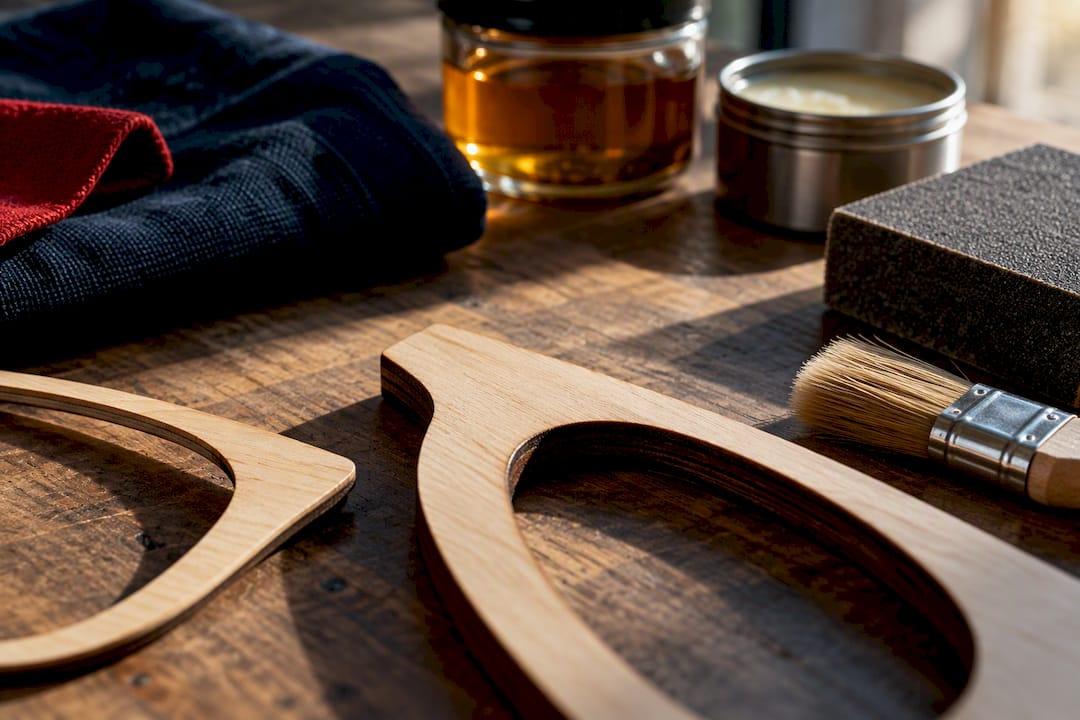
How to prepare and finish your wood sunglasses blanks
A laser-cut blank looks rougher right out of the package than most crafters expect, but a few careful steps turn that raw piece into something that looks professionally made.
- Wipe down the surface with isopropyl alcohol to lift the sooty laser residue, then go over it again with a tack cloth so no fine dust is left behind before you sand.
- Sand progressively rather than jumping straight to a fine grit. A coarse-to-medium-to-fine sanding sequence removes surface marks and prepares the wood for even paint absorption, typically finishing around 220 to 320 grit.
- Go easy on delicate cut edges and curved details. Light sanding removes the laser char without reshaping the profile the laser already gave you.
- Prime before you paint. A bonding primer or shellac-based primer seals the porous surface and prevents blotchy, uneven color, which is a common problem when crafters reach for a paint-and-primer-in-one shortcut instead.
- Apply paint in thin coats rather than one heavy layer, letting each coat dry fully before adding the next. If your design has engraved detail you want to keep crisp, mask those areas before you start painting, or ask your supplier about pre-masking before the piece is even cut.
- Seal exposed plywood edges with a thin coat of shellac or diluted PVA glue so the edge grain does not “starve” and pull paint away from the face.
- Finish with a topcoat such as polyurethane or a spray lacquer to protect the painted surface from scuffing and moisture.
Pro Tip: Test your primer and paint combination on a scrap piece from the same batch first. Plywood grain can vary even within one order, and a five-minute test saves a repaint on your finished piece.
Throughout every step, ventilate your work area and wear a respirator or a properly rated dust mask when sanding or spraying, following the same precautions OSHA outlines for finishing engineered wood products.
Craft ideas and quick execution tips
Once you have a stack of finished blanks, the fun part starts. A painted summer ornament makes a quick party favor, a layered mixed-media wall sign turns a few different shapes into one bigger display, and an engraved keepsake version works well as a personalized gift.
Thickness choices shift depending on how the piece will be displayed. Hanging decor stays light at 3mm, while a freestanding piece benefits from 6mm stock and a small routed slot cut for a stand, a magnet, or a keychain ring.
- Try stencils or decoupage paper for quick, repeatable designs across a batch of blanks.
- Metallic leaf on the frame edges adds a dressed-up look for gift-giving pieces.
- Resin insets inside cutout lens shapes give a glossy, finished look that mimics real lenses.
- If you plan to sell finished pieces, protect edges with foam spacers between layers and pad flat surfaces before boxing to avoid shipping scuffs.
Publisher and author proof points
I write this guide as Gary, working alongside the team at Signaturelaserdesigns, a shop that creates personalized, laser-engraved wood and metal gifts for weddings, anniversaries, holidays, new babies, pet lovers, golfers, and people settling into a new home. Signaturelaserdesigns focuses on one-of-a-kind, custom-made presents rather than mass-produced stock items.
Beyond finished keepsakes, the shop offers unfinished wood-cutout blanks that crafters buy specifically to decorate themselves, including sunglasses shapes cut to order. If you need a size or shape outside the standard catalog, you can request a custom cut and get a turnaround estimate before you commit. For any material question, ask directly about the grade of plywood used and request a spec sheet or SDS if you need one for a school project, a craft fair booth, or a workplace safety requirement.
Matching wooden blanks to hinge and lens styles
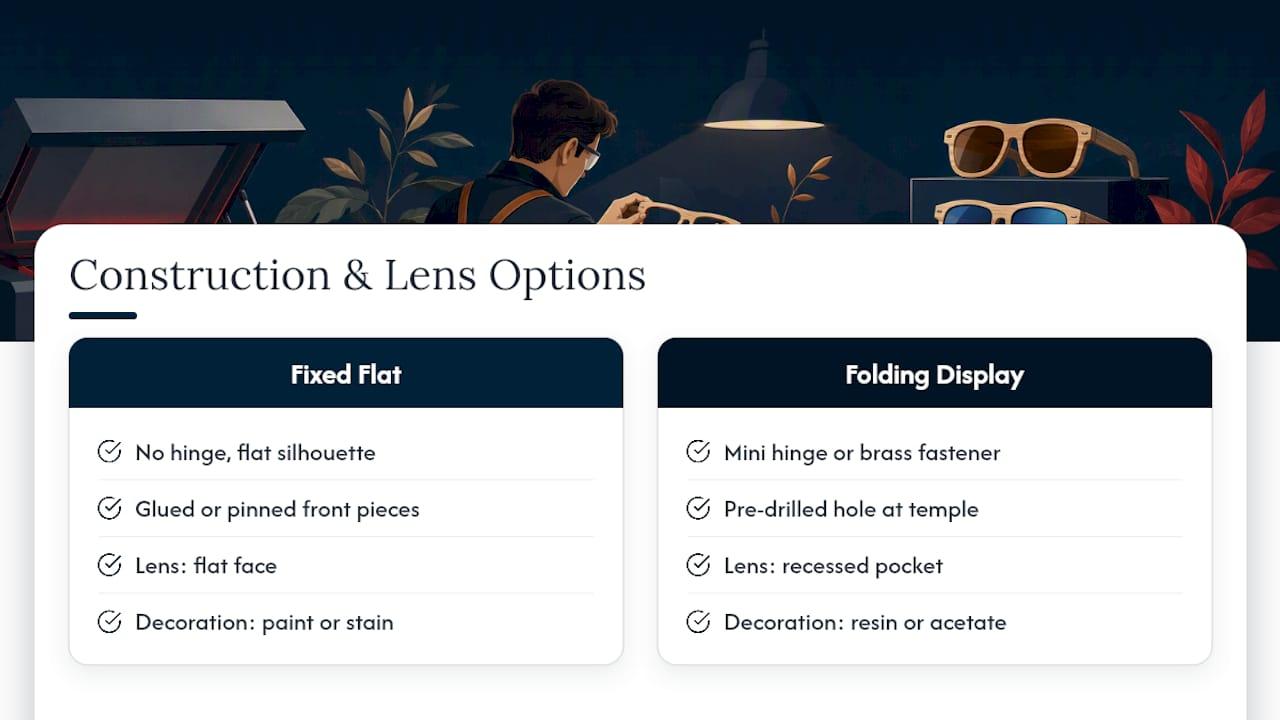
Wooden sunglasses cutouts are decorative pieces, not functional eyewear, so “compatibility” here means how well a blank’s design supports the look you are going for rather than an actual hinge mechanism. Most crafters treat the cutout as a flat silhouette and skip working hinges entirely, gluing or pinning the two front pieces together at a fixed angle.
If you want a folding effect for display purposes, a small brass paper fastener or a miniature hinge from a craft supplier can be set into a pre-drilled hole near the temple. For lens areas, a flat cutout works fine for painted or stained “lenses,” while a slightly recessed pocket cut into the blank gives you a clean edge for a resin pour or a colored acetate insert. Ask your supplier whether the design includes a routed lens pocket or a completely flat face, since that detail changes which decoration techniques will look clean once finished.
Keeping finished wooden sunglasses looking good over time
A well-finished wooden sunglasses cutout holds up for years as a display piece or keepsake, but it is not built for the same wear as an actual pair of glasses. Keep it out of direct sunlight for extended stretches, since UV exposure fades paint and can dry out unsealed wood over time.
Moisture is the bigger risk. A topcoat of polyurethane or spray lacquer protects the surface from humidity and light splashes, but a finished piece still should not sit somewhere damp, like a bathroom windowsill, without expecting some warping eventually. Dust it with a soft, dry cloth rather than a wet wipe, and if the topcoat starts to look dull after a few years, a fresh coat of spray lacquer restores the shine without requiring a full repaint.
Where the wood comes from and why it matters
Plywood and solid wood blanks both start as harvested timber, and the source matters if sustainability is part of why you are choosing a wood craft project in the first place. Baltic birch, the most common laser-grade plywood, is typically sourced from birch forests in Northern Europe and Russia, and its multi-ply construction uses thinner veneer layers than solid lumber, which stretches the same tree further across more finished sheets.
If sustainability sourcing matters to you, ask your supplier whether their stock carries a forestry certification, and consider that buying single blanks or small batches as needed generates less material waste than over-ordering a bulk pack you may not fully use. Choosing an unfinished plywood blank over a plastic craft alternative also means the finished piece is biodegradable and easier to recycle once it eventually wears out.
Shipping timelines for laser-cut wood orders
Stock blanks that a seller already has cut and ready to ship typically move fast, often landing within a standard shipping window of a few business days once the order goes out. Custom-cut orders take longer because the seller has to schedule laser or CNC time, cut your specific shapes, and then pack and ship, so build in extra lead time whenever you are ordering a size or shape outside the regular catalog.
Ask about lead time before you order if you are working toward a deadline like a wedding, a holiday market, or a birthday. Bulk orders can also take longer to process than a single blank, simply because more material needs to be cut and quality-checked before it ships. Wood blanks travel well with basic protection like foam spacers or padded packaging, but always inspect a shipment on arrival for cracked edges or warping before you start finishing.
Why the “just buy MDF, it’s cheaper” advice misses the point
A lot of casual craft advice treats material choice as a budget question first and a quality question second. That gets the priority backward. The real cost difference between a laser-grade plywood blank and an MDF blank is small once you account for a single project, but the difference in fume exposure, dust, and finish durability is not small at all.
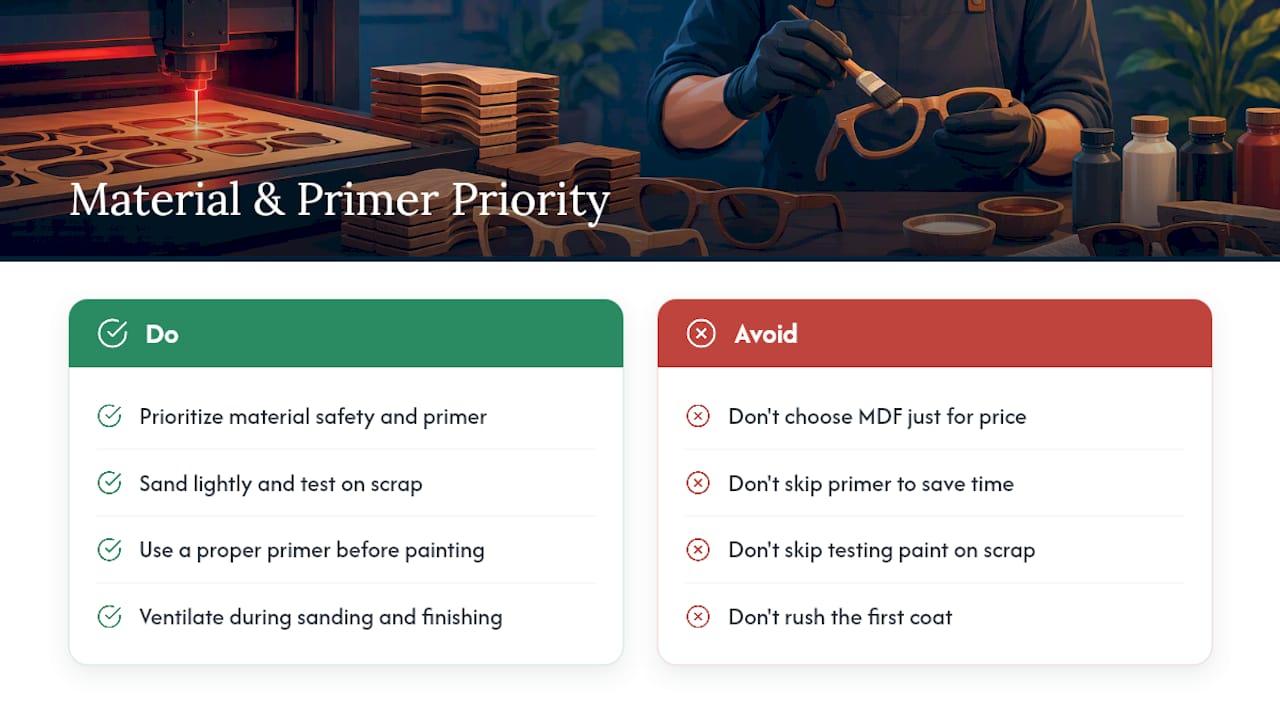
The most overrated piece of advice out there is skipping primer to save a step. It never actually saves time, since blotchy paint on unprimed plywood almost always means a redo. The most underrated step is the simplest one: sanding lightly and testing your primer and paint on scrap before committing to your actual blank.
If you take one thing from this guide, prioritize material safety and a proper primer over speed. Everything else, from paint color to edge sealing, is easier to fix later than a rushed first coat or an unventilated sanding session.
— Gary
Where to buy sunglasses blanks and how to order
Shopping for sunglasses wood cutout blanks should feel simple, not like guesswork over which listing to trust. At Signaturelaserdesigns, you will find sunglasses cutout blanks sized and finished for painting, decoupage, or engraving, with material and thickness details listed right on the product page.
A few honest pointers on ordering:
- Stock sizes ship fastest, so pick a standard size if you are working against a deadline.
- Request a custom quote for unusual dimensions or shapes not shown in the current catalog.
- Ask about bulk pricing if you need enough blanks for a full craft fair table or a classroom project.
- Browse the full blanks de madera sin terminar lineup for other shapes and material options beyond sunglasses.
- If you would rather have a piece engraved and finished rather than blank, the Custom Gift Creation service handles that from design to delivery.
Stock blanks make the most sense when your size and shape fit what is already listed. Go custom when you need a specific dimension, a routed lens pocket, or a quantity large enough to justify a dedicated cutting run.
Sources
For deeper reading on finishing techniques and material safety, see OSHA’s guidance on finishing chemical hazards, Fabcon’s plywood versus MDF comparison, and a complete guide to finishing laser cut wood. Always confirm your own supplier’s SDS and use proper ventilation and PPE when sanding or cutting.
- OSHA finishing chemicals hazards & solutions
- Is it safe to laser cut MDF?
- Painting plywood: achieving a flawless finish
FAQ
What material should I choose for sunglasses wood cutout blanks?
Laser-grade Baltic birch plywood is the best all-round choice for most crafters, since it offers cleaner edges and greater strength than MDF for laser-cut projects. MDF works for smooth-faced painted signage, but it requires strong ventilation because it can release formaldehyde and heavy dust when laser cut.
How do I thin primer for painting laser-cut wood blanks?
Most bonding and shellac-based primers can be thinned slightly with the manufacturer’s recommended thinner, but check the label first since over-thinning weakens adhesion. A properly applied bonding primer coat prepares the porous surface for even paint absorption without needing heavy dilution.
How do I remove laser scorch marks from a wood blank?
Wipe the surface with isopropyl alcohol first to lift loose soot, then sand lightly, usually up to around 220 to 320 grit, focusing on flat faces and going gently around delicate curves. Aggressive sanding on detailed profiles risks reshaping the cut, so light, even pressure works best.
Can I order a custom size or shape for sunglasses blanks?
Yes, most laser and CNC suppliers, including Signaturelaserdesigns, accept custom cut requests for size and shape. Expect a longer lead time than a stock item, since custom orders require dedicated cutting time before shipping.
Are wooden sunglasses blanks safe to sand and finish at home?
Yes, as long as you work in a ventilated space and wear a dust mask or respirator, following the same precautions OSHA recommends for finishing engineered wood products. Untreated plywood is the safer choice compared to any coated or pressure-treated stock.