Plywood Craft Blanks: 1/4 Inch Thick, Laser Limits, and TSCA Safety
Buy plywood blanks for painting, laser engraving, and wood burning. For lighter ornaments or detailed laser cuts, 1/8" works better, while 1/4" handles freestanding signs, layered designs, and heavier handling without snapping. Before you buy, check the label for TSCA Title VI compliance, which confirms the plywood meets formaldehyde emission standards.
✦ Featured From Our Shop ✦
Handcrafted & laser engraved in Georgia, just for you
TL;DR:
- Baltic birch’s void free layers leave crisp edges for layered laser designs, while pale, tight grained basswood makes wood burned lines easier to see.
- Many lasers top out at about 1/4 inch; check bed dimensions and test a scrap piece of the same wood type before cutting a batch.
- Seal raw edges before painting to limit uneven absorption; use a lower heat setting on thicker blanks because they retain heat longer.
- For interior hardwood plywood, look for TSCA Title VI labeling confirming the 0.05 ppm formaldehyde limit; ask the seller if the listing omits compliance details.
Table of Contents
- 1. Shortlist of thick plywood craft blanks and what each suits best
- 2. How to choose the right thickness for your project
- 3. What hobby laser cutters and common tools can handle
- 4. Preparation and finishing steps for thicker plywood blanks
- 5. Author and brand credibility plus a safety note on formaldehyde labeling
- 6. Our take on choosing thicker blanks for gifts
- 7. Get the Howling Wolf 1/4 inch blank ready for your next project
- FAQ
- Sources
1. Shortlist of thick plywood craft blanks and what each suits best
Choosing the right blank comes down to matching thickness and wood type to your project. Here’s how the main options stack up for crafters working on painting, engraving, or wood burning projects.
- Plywood cutouts: useful for wall art, nursery decor, and detailed silhouette painting projects.
- 1/4" sanded Baltic birch cutouts: best for layered laser projects and ornaments that need crisp edges; the tight, void-free layers show a clean edge grain that looks good even unpainted.
- 1/4" basswood panels: best for wood burning and pyrography because the grain is tight and pale, which makes scorched lines stand out without competing with busy wood patterns.
- 1/2" craft panels: best for freestanding plaques, puzzle bases, and model parts that need to resist warping or support weight on a shelf.
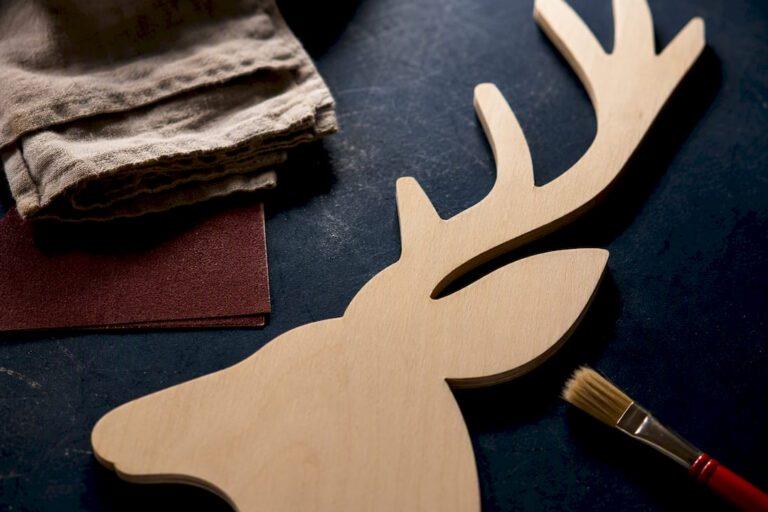
A plywood blank can be used for painting, light engraving, and wood burning. A sanded surface can take acrylic paint and wood stain, while thicker blanks can be sturdy enough to stand on a mantel or hang on a nail.
Baltic birch cutouts typically come in packs of 2 to 10 pieces and run a few dollars per blank depending on size, making them a budget-friendly pick for batch projects like ornament sets or classroom crafts. Basswood panels are usually sold as single sheets or small multipacks sized for pyrography kits, often 4 by 6 inches up to 12 by 12 inches. Thicker 1/2" panels cost more per piece but save money long term since they rarely need reinforcement or backing boards.
If you’re sourcing blanks in bulk for a production run, makers who want production-ready Baltic birch blanks delivered in 2 to 4 days can skip the guesswork on sizing and sanding.
2. How to choose the right thickness for your project
Thickness changes how a blank cuts, engraves, and feels in your hands once it’s finished. Picking the wrong one means either a blank that snaps too easily or one that’s needlessly heavy for a small project.
- Thin plywood can cut quickly on a laser, show fine engraving detail, and work well for ornaments, keychains, and small layered pieces that don’t need to stand upright.
- 1/4" (6mm) is the sweet spot for most crafts: it holds up to handling, stands on its own for plaques and signs, and still engraves cleanly without excessive burn time.
- Thicker plywood suits model parts, puzzle bases, and anything that needs extra structural weight, though it can take longer to cut and may need multiple passes on a laser.
Edge stability matters as much as raw thickness. Thinner blanks warp faster in humid rooms, while 1/4" and up resist bowing and hold screws or hanging hardware without splitting.
3. What hobby laser cutters and common tools can handle
Before you order a stack of thick blanks, check what your laser can actually cut. Many hobby laser machines list a practical maximum material depth of about 1/4 inch, and that limit also depends on cutting-area size and passthrough slots for longer pieces. Pushing past that depth usually means multiple passes, slower speeds, or a cut that never fully clears through.
- Check your machine’s bed size and passthrough opening before buying oversized blanks, since a blank that doesn’t fit the cutting area is unusable no matter how well it cuts.
- Run a test cut on a scrap piece of the same thickness and wood type to confirm your laser’s power and speed settings before committing to a full batch.
- Secure thicker blanks with pins or magnets so they don’t shift mid-cut, especially on designs with fine interior details.
- For blanks thicker than your machine handles, outsourcing the cut to a laser service saves time and avoids wasted material.
Our guide on precision laser cutting plywood walks through kerf width and material handling in more detail if you’re planning larger pieces. Not every craft material plays well with a laser, either, so it’s worth a quick check of materials that cannot be laser engraved before you load anything unfamiliar.
4. Preparation and finishing steps for thicker plywood blanks
Thicker blanks reward a little extra prep. Start with a light sanding pass, even on pre-sanded blanks, since handling and shipping can leave fine dust or rough spots.
- Seal raw edges with a wood sealer or primer before painting to keep acrylic paint from soaking in unevenly.
- Batch-finish multiple blanks at once with a sprayed sealer coat to save time, but hand-brush single pieces for more control over coverage.
- Lower your wood burning tool’s temperature slightly on thicker blanks since the extra mass holds heat longer, which helps avoid scorch marks spreading past your lines.
- Reinforce heavier cutouts with a sawtooth hanger or small wood block on the back before mounting, since 1/4" and thicker pieces carry more weight than thin plywood.
For paint-specific guidance, our craft blanks for wood painting guide covers which paint types hold up best on sanded versus raw plywood surfaces.
Pro Tip: Test your wood burning tool’s heat setting on a scrap edge of the same blank before starting the final design, since thickness and wood type both change how fast the tip scorches.
5. Author and brand credibility plus a safety note on formaldehyde labeling
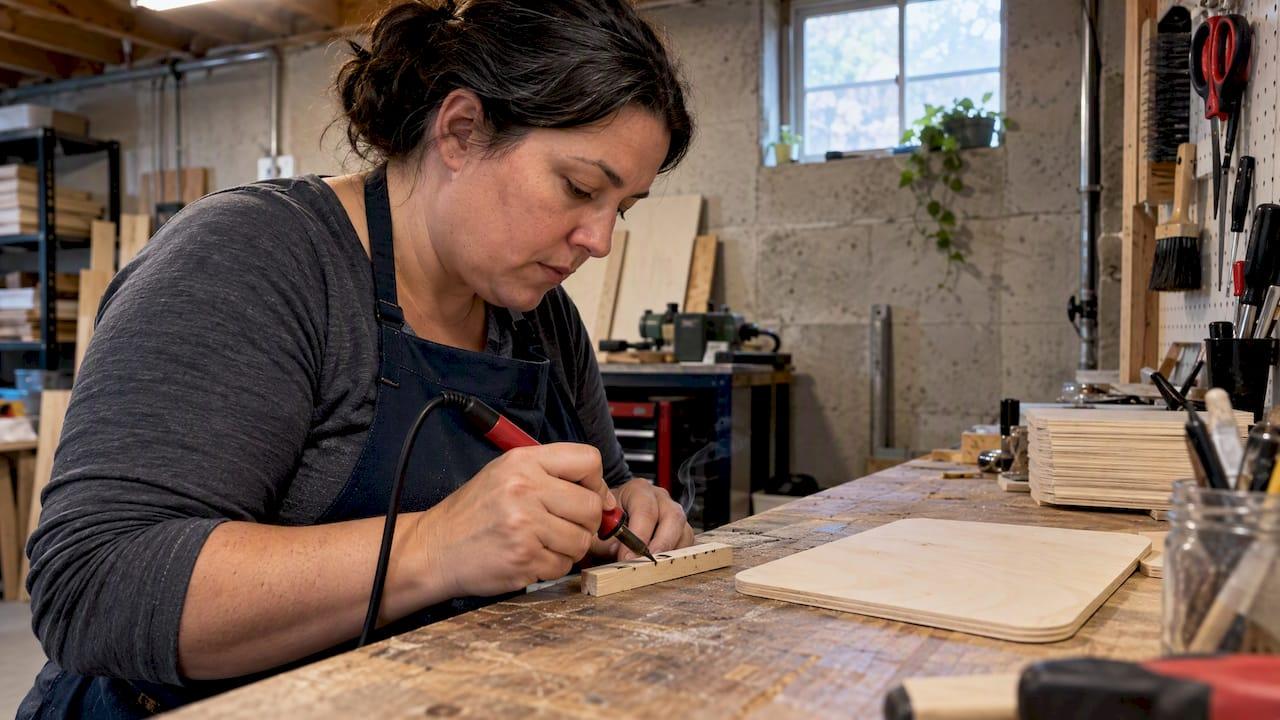
Our team at Signature Laser Designs works with plywood blanks in our Georgia shop, cutting and engraving them into finished keepsakes and shipping raw blanks to crafters who want to finish their own projects. That hands-on experience shapes which thicknesses and wood types we recommend.
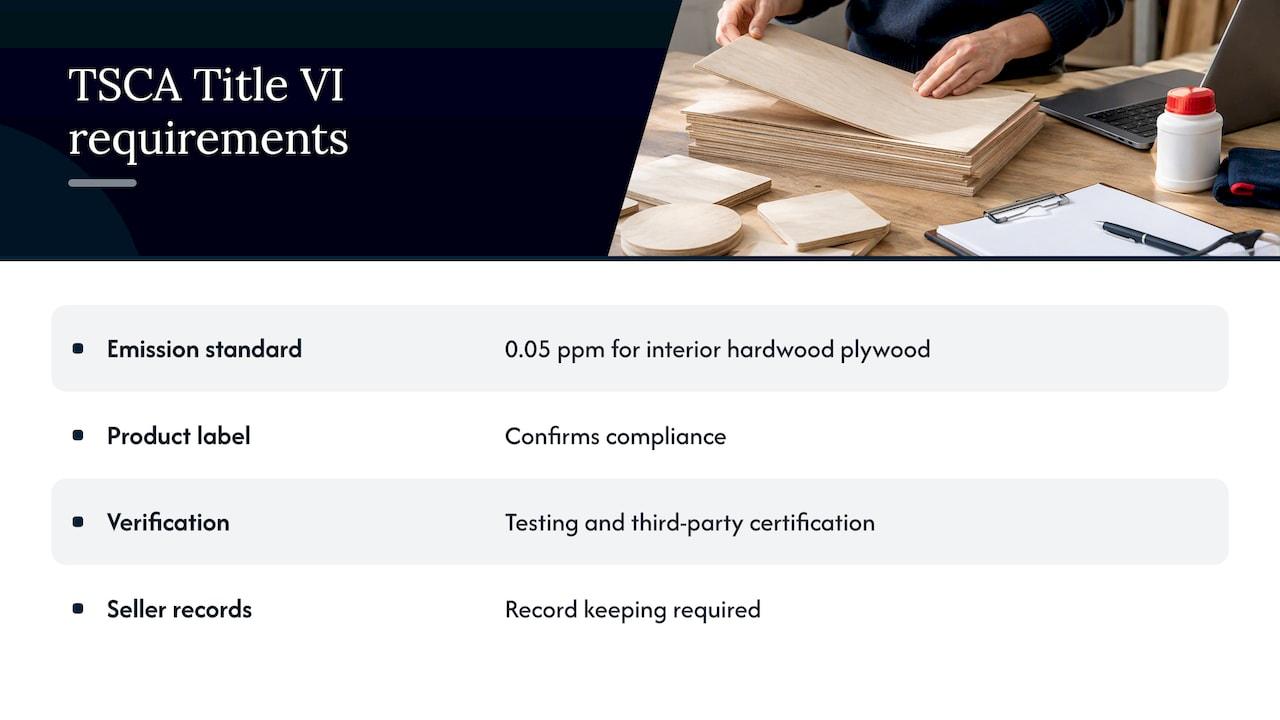
One safety detail worth checking before you buy: under EPA TSCA Title VI regulations, hardwood plywood sold for interior use must meet a formaldehyde emission standard of 0.05 ppm, and compliant products should carry labeling confirming it. The rule also requires testing and third-party certification for regulated composite wood products, along with seller record keeping. If a listing doesn’t mention TSCA Title VI compliance, ask the seller directly before ordering.
Thicker plywood blanks hold paint, burn marks, and engraving detail better than thin stock, but only when the wood itself meets basic safety standards.
6. Our take on choosing thicker blanks for gifts
We favor 1/4" sanded blanks for most keepsake projects because they stand up to shipping, handling, and years of display without warping or chipping at the edges. For wedding signs, nursery name plaques, and pet memorial pieces, that extra thickness is the difference between a gift that lasts and one that needs babying.
If you want a blank to finish yourself, order directly. If you’d rather hand off the painting or engraving, we handle that too, with most orders shipping after processing.
— Gary
7. Get the Howling Wolf 1/4 inch blank ready for your next project
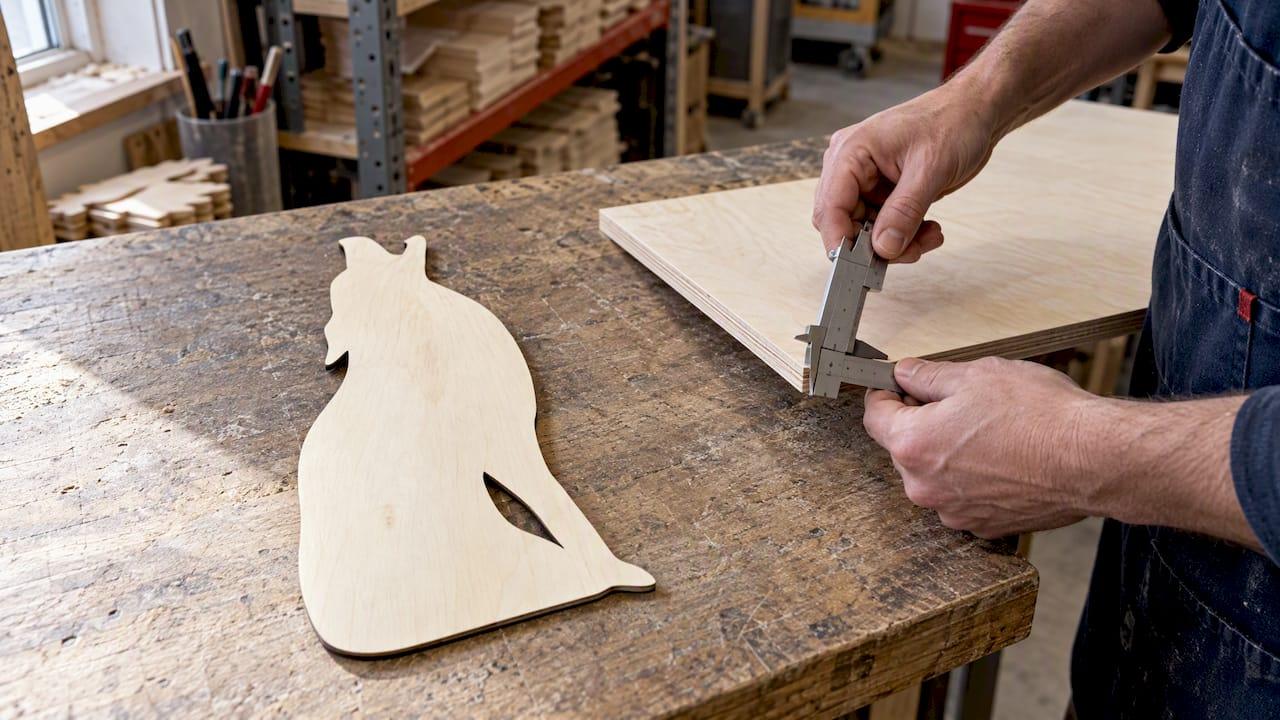
A plywood blank can provide a ready-to-finish surface for painting, laser engraving, and wood burning. A sturdy blank can stand on a shelf or hang on a wall, and silhouette shapes can suit cabin decor, rustic nurseries, and woodland-themed gifts.
- Order the Howling Wolf Wood Cutout, 1/4 inch plywood (on Etsy) if you want to paint, burn, or engrave it yourself.
- Browse our full blanks and custom gift lineup for other shapes and thicknesses.
- Request custom gift engraving if you’d rather we personalize a finished piece for you.
Pick your blank, choose your finish, and get started on a project that’s built to last.
FAQ
What thickness plywood is best for craft projects?
Most crafters do best with 1/4" plywood for projects that need to stand upright or survive handling, while 1/8" suits smaller, lighter pieces like ornaments. Thicker options above 1/4" work well for model parts and puzzle bases that need extra strength.
Can hobby laser cutters handle 1/4 inch plywood?
Yes, many hobby laser machines list a practical maximum material depth of about 1/4 inch, though cutting speed and number of passes needed depend on the specific machine. Always run a test cut first to confirm your laser handles the thickness cleanly.
What is TSCA Title VI and why does it matter for plywood blanks?
TSCA Title VI is an EPA regulation that sets formaldehyde emission limits for hardwood plywood sold for interior use, requiring a 0.05 ppm standard and proper labeling. Checking for this compliance label helps you buy plywood that meets recognized safety standards.
Is Baltic birch or basswood better for wood burning?
Basswood tends to work better for wood burning because its tight, pale grain makes scorched lines stand out clearly without competing patterns. Baltic birch is a stronger choice for laser-cut layered projects where edge consistency matters more than burn visibility.
How do I keep thick plywood blanks from warping?
Store blanks flat in a dry area away from direct sunlight or humidity, stacking them with even weight on top to discourage bowing. Sealing raw edges before long-term storage also helps slow moisture absorption that leads to warping.
Sources
Recommended
- Precision Laser Cutting 14 Inch Plywood: Hobbyist Guide
- Crafty Tooth Cutout Ideas: Creative Uses for 1/4" Sanded Plywood