Why Thoughtful Gifts Create Memories That Last
Thoughtful gifts are defined as presents chosen with specific knowledge of the recipient’s identity, experiences, and emotional world. They create lasting memories because emotion and memory are processed together in the brain. When you receive a gift that signals “this person truly knows me,” the brain releases dopamine and oxytocin, neurochemicals that strengthen social bonds and deepen emotional encoding. That combination is why a laser-engraved keepsake or a perfectly chosen experience can stay vivid in someone’s mind for decades, while a generic gift card fades within weeks. Understanding why thoughtful gifts create memories gives you the power to give something genuinely unforgettable.
✦ Featured From Our Shop ✦
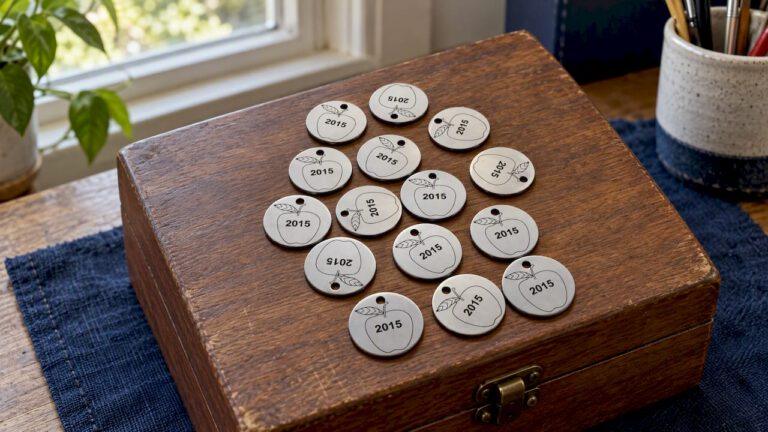
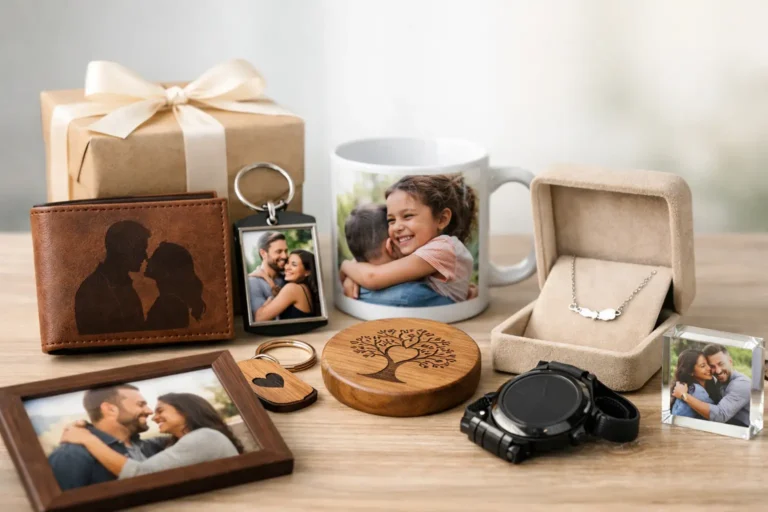
Handcrafted & laser engraved in Georgia, just for you
Why thoughtful gifts create memories through emotional response
The neuroscience here is direct: emotion and memory share overlapping brain systems. When a gift triggers happiness, surprise, or gratitude, those feelings activate the amygdala and hippocampus together, which means the moment gets encoded more durably in long-term memory. This is why seeing a meaningful gift years later can instantly bring back the relationship and the exact moment of receiving it.
Surprise plays a particularly strong role. An unexpected gift that fits the recipient’s personality creates a small emotional spike that the brain treats as significant. That spike tells the memory system: this moment matters, store it carefully. Gratitude compounds the effect. Research confirms that nostalgia triggered by gifts enhances gratitude and social connectedness over time, turning a single moment of giving into a recurring emotional cue.
Gifts tied to important life milestones generate even stronger memories. A present given at a graduation, a wedding, or a personal breakthrough carries the emotional weight of the milestone itself. The gift and the moment fuse together in memory, so the object becomes a physical anchor for the entire experience.
“Seeing a meaningful gift years later can instantly recall the relationship and the moment of receiving it.” — Avicounsel, The Science Behind Why We Remember Certain Gifts for Years
The practical implication is clear. Gifts that evoke memories do so because they were chosen with emotional intent. Price has almost nothing to do with it. A handwritten note tucked inside a thoughtfully selected book can outlast a luxury item chosen without care.
How personalization intensifies connection and memory
Personalization is the single most reliable way to increase the impact of meaningful gifts. When a gift reflects specific knowledge of who the recipient is, their brain engages in self-referential processing. That means the gift is evaluated against the person’s own identity and sense of self, which activates deeper memory formation than a generic item ever could.
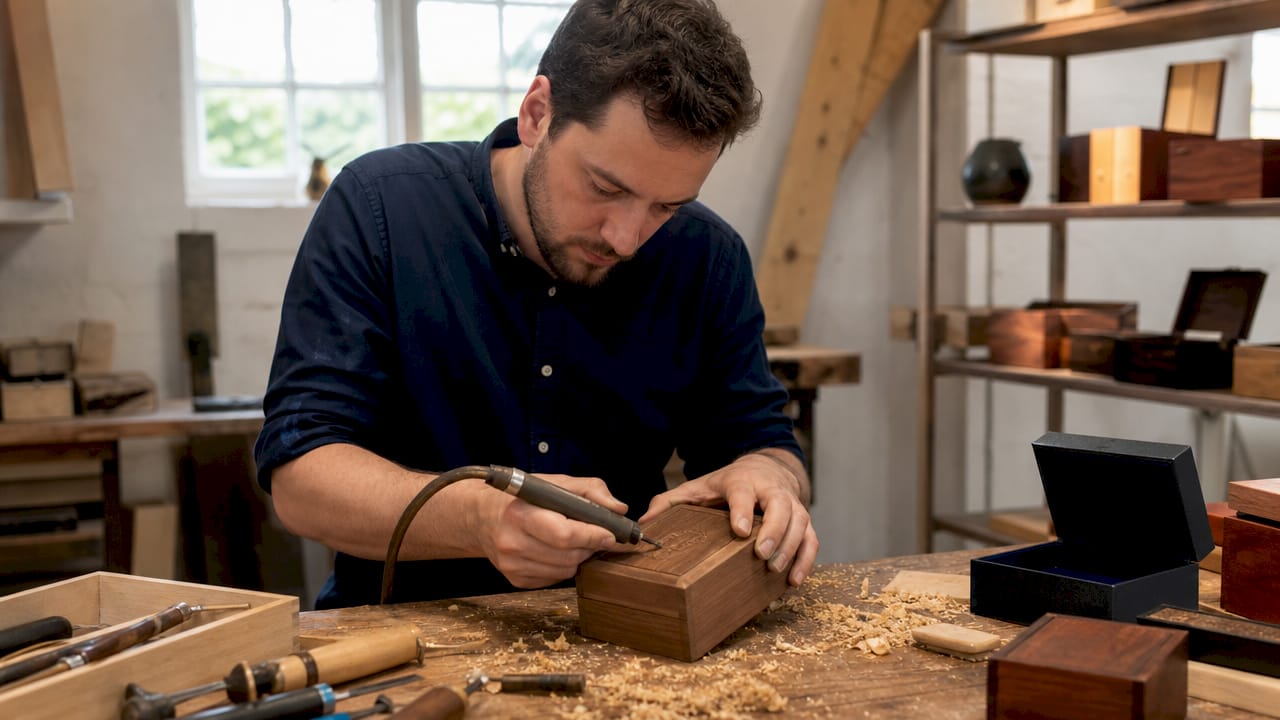
The importance of personalized gifts goes beyond aesthetics. A custom laser-engraved item with a name, a date, or a shared phrase communicates something no store-bought product can: “I paid attention to you.” That signal of being truly seen is emotionally powerful. It builds trust, deepens affection, and creates the kind of memory that gets retold at family gatherings years later.
Here is how to personalize gifts with genuine impact:
- Reference a specific shared memory or inside joke rather than a general interest.
- Choose a format that fits the recipient’s daily life so the gift gets used repeatedly.
- Add a handwritten note that explains why you chose this specific gift for this specific person.
- Time the gift to a meaningful milestone, identity shift, or personal achievement.
- Pair physical personalization (like engraving) with an emotional explanation that gives the object its story.
Pro Tip: Shallow personalization backfires. Putting someone’s name on a random object is not the same as choosing something that reflects their actual life. Accurate, specific personalization paired with a personal note creates authentic connection. Generic personalization without context can feel like a marketing tactic rather than a genuine gesture.
Gifts also function as identity signals. They communicate how well the giver knows the receiver, which is why a perfectly chosen personalized gift feels so affirming. It says: “You are known. You matter.”
Do experience gifts create stronger memories than material gifts?
The research says yes, and the reason is rooted in a psychological phenomenon called rosy retrospection. Experiences tend to improve in memory over time while material gifts depreciate psychologically. A cooking class you gave your mother three years ago may feel more meaningful to her today than it did the day she attended it. A blender you gave her the same year has probably faded from memory entirely.
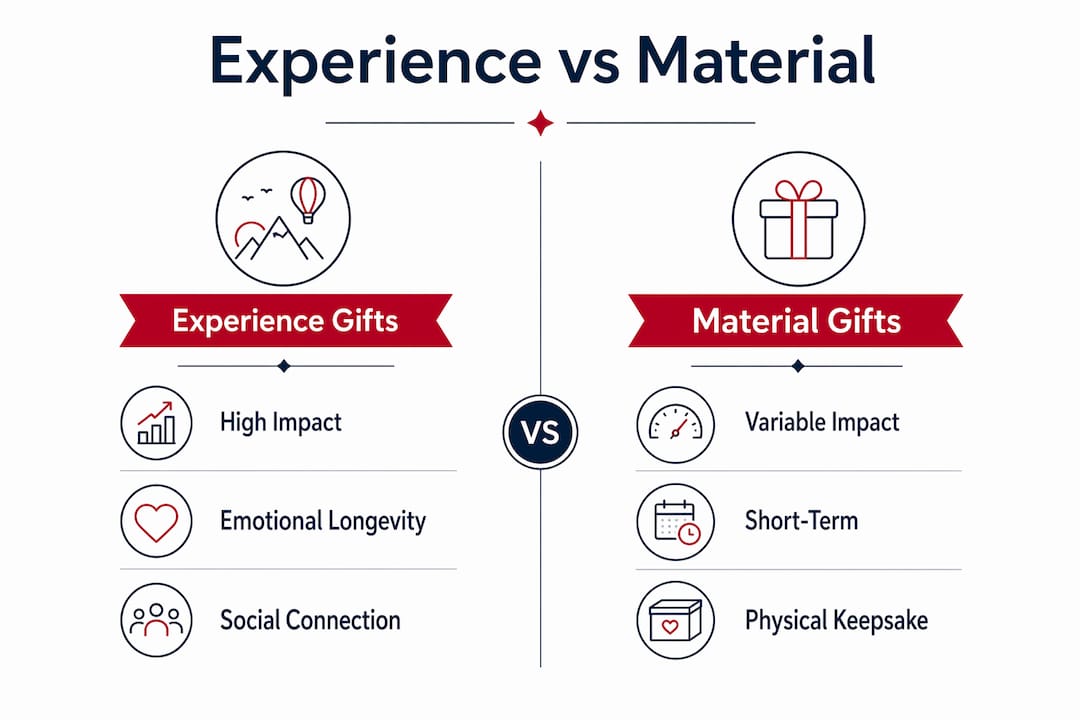
| Gift Type | Memory Impact | Emotional Longevity |
|---|---|---|
| Experience gift (concert, class, trip) | High. Creates a story and shared moment | Grows stronger over time via rosy retrospection |
| Personalized keepsake (engraved item) | High. Serves as a physical memory anchor | Sustained through repeated visual and tactile engagement |
| Generic material gift (appliance, gift card) | Low. No personal story attached | Fades quickly as novelty wears off |
| Sentimental handmade gift | High. Signals effort and specific knowledge | Durable because of the emotional labor it represents |
The key insight from this comparison is that gift success depends on emotion during use, not just the unwrapping moment. A gift that produces positive feelings every time it is used or seen keeps building the relationship long after the occasion has passed. That is why engraved keepsakes and experience gifts both outperform impersonal items. They are designed to keep giving emotionally.
Experience gifts also increase social connection. Gifting a shared activity, like a cooking class for two or tickets to a live event, creates a story that both giver and recipient carry forward together. That shared story becomes part of the relationship’s identity.
Practical tips for giving gifts that create lasting memories
Memorable gift ideas are not found by browsing bestseller lists. They are found by paying close attention to the person you are buying for. The most effective approach combines empathy, timing, and presentation.
Start with the recipient’s current life context. What are they going through right now? What have they mentioned wanting to try, learn, or experience? Gifts tied to shared stories or ongoing life routines become recurring emotional cues that reinforce the relationship every time the person encounters them.
Avoid impulse buying. Mindful gifting produces deeper meaning than conventional shopping and reduces the stress and waste that come from last-minute decisions. Give yourself enough time to think, personalize, and present the gift with care.
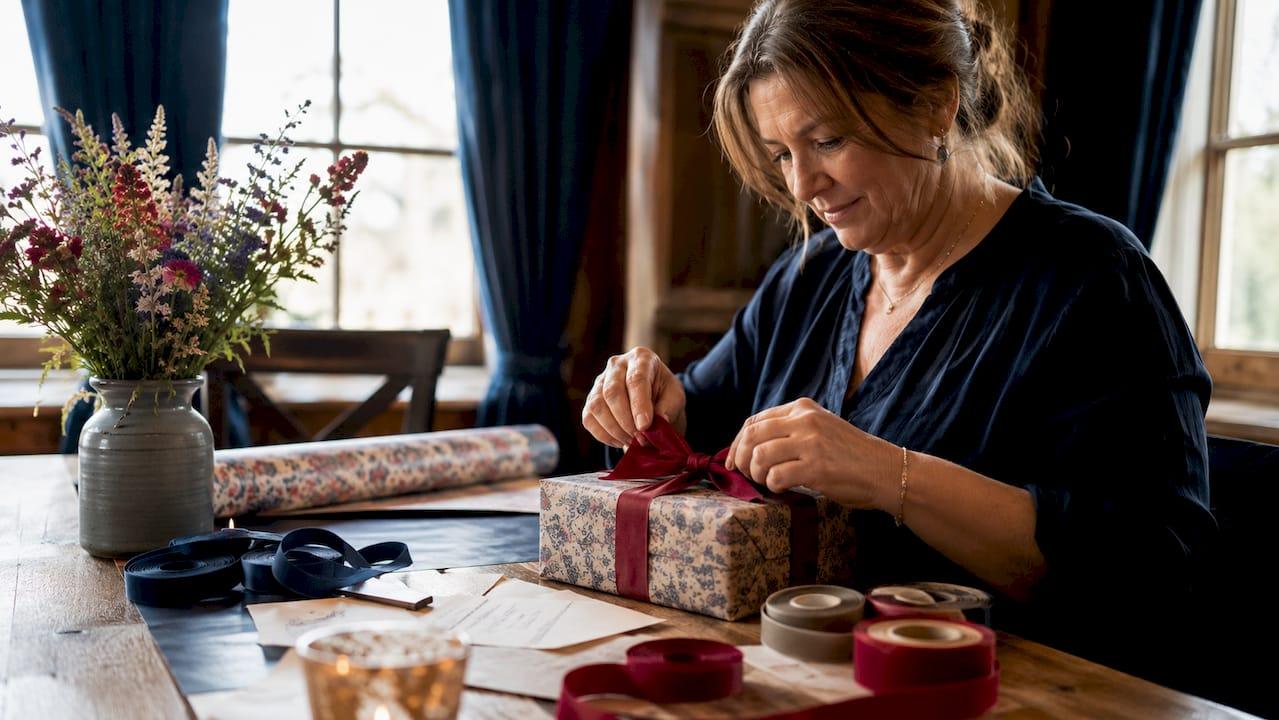
Presentation matters more than most people realize. Unboxing experiences that engage multiple senses, sight, touch, and even scent, deepen long-term memory encoding by creating what psychologists call flashbulb memories. A beautifully wrapped gift with a handwritten card inside creates a richer emotional experience than the same item dropped in a bag.
Pro Tip: Choose gifts that encourage repeated use or shared activities. A personalized item the recipient uses daily, like an engraved cutting board or a custom journal, creates a positive emotional cue every single time it appears. That repeated engagement is how a single gift becomes a long-term relationship investment.
For thoughtful gifts on special occasions, the combination of personalization, timing, and presentation is what separates a forgettable gesture from a cherished memory.
Common pitfalls that reduce a gift’s emotional impact
Even well-intentioned givers make mistakes that undercut the emotional power of their gifts. Recognizing these pitfalls is as useful as knowing what to do right.
The most common mistake is focusing on price rather than relevance. An expensive gift chosen without thought signals effort in the wrong direction. It says “I spent money” rather than “I know you.” Recipients notice the difference, even if they never say so.
A second pitfall is stereotyped personalization. Adding someone’s name to a product category that has nothing to do with their actual life is not personalization. It is labeling. Genuine personalization references something specific: a place they love, a phrase they use, a moment you shared together.
A third mistake is choosing gifts that are disconnected from the recipient’s current identity or needs. People change. A gift that would have been perfect five years ago may feel tone-deaf today. Check in with who the person is now, not who they were when you last paid close attention.
Finally, failing to pair a gift with meaningful presentation or explanation strips away much of its emotional value. A short note explaining why you chose this specific gift for this specific person transforms an object into a story. Without that context, even a beautiful gift can feel anonymous.
Key takeaways
Thoughtful gifts create lasting memories because they combine emotional resonance, personal recognition, and repeated engagement into a single meaningful gesture.
| Point | Details |
|---|---|
| Emotion drives memory encoding | Gifts that trigger happiness, surprise, or gratitude are stored more durably in long-term memory. |
| Personalization signals being truly known | Specific, accurate personalization activates self-referential processing and deepens emotional impact. |
| Experiences outlast material gifts | Rosy retrospection makes experience gifts grow more meaningful over time, while generic items fade. |
| Presentation amplifies emotional value | Multi-sensory unboxing and handwritten notes create flashbulb memories that anchor the gift in the mind. |
| Repeated engagement sustains the bond | Gifts used or seen regularly become ongoing emotional cues that keep reinforcing the relationship. |
What I’ve learned about gifts that actually get remembered
I have watched people agonize over gift budgets when the real question they should be asking is: “What do I actually know about this person right now?” The gifts I have seen people treasure most were rarely the most expensive ones. They were the ones that made the recipient feel genuinely seen.
A small engraved item with a date and a phrase that only two people understand can carry more emotional weight than a weekend trip chosen without thought. The object becomes a physical record of the relationship. Every time the person sees it, the memory fires again. That is not sentiment. That is neuroscience working exactly as it should.
What I find most encouraging is that thoughtful gifting is a skill, not a talent. It gets better with practice. Slow down before you buy. Think about the person’s current life, not their general interests. Add a note that explains your choice. These small investments of attention cost nothing extra and produce memories that last for years.
The pressure to spend more is real, but it is also a distraction. The gifts that get kept, displayed, and talked about are the ones that communicated something true about the relationship. That is always within reach, regardless of budget.
— Gary
Create a memory worth keeping with Signaturelaserdesigns
At Signaturelaserdesigns, we specialize in custom laser engraving that turns everyday objects into personal keepsakes. Every engraved piece we create carries a name, a date, a phrase, or a design that makes it unmistakably yours. That level of craftsmanship is what transforms a gift into a memory anchor. Whether you are shopping for a milestone birthday, a wedding, or a holiday, our team is here to help you create something that will be kept, displayed, and remembered. Explore our guide on how to personalize gifts that get kept, and find the perfect starting point for your next meaningful gift.
FAQ
Why do thoughtful gifts create stronger memories than generic ones?
Thoughtful gifts trigger emotional responses like gratitude and surprise, which activate the brain’s memory-encoding systems more powerfully than neutral experiences. The more emotionally significant the moment, the more durably it is stored in long-term memory.
What makes a personalized gift more meaningful?
Personalization signals that the giver paid close attention to who the recipient actually is. When a gift reflects specific knowledge of the person’s life, identity, or shared experiences, it activates self-referential processing in the brain, which deepens both emotional impact and memory formation.
Are experience gifts better than physical gifts for creating memories?
Experience gifts tend to grow more positive in memory over time through a process called rosy retrospection, while material gifts often depreciate psychologically. However, a physical gift with strong personal meaning, like a laser-engraved keepsake, can match or exceed the emotional longevity of an experience.
How does presentation affect how well a gift is remembered?
Unboxing experiences that engage multiple senses create what psychologists call flashbulb memories, which are vivid, emotionally charged recollections. A handwritten note paired with thoughtful wrapping significantly deepens the emotional encoding of the gift itself.
What is the biggest mistake people make when giving gifts?
Focusing on price rather than personal relevance is the most common error. A high-cost gift chosen without thought signals spending, not understanding. Accurate personalization and a brief explanation of why you chose the gift consistently outperform expensive but impersonal alternatives.
Recommended
- Engraved Keepsakes: The Gift that Keeps on Giving – Signature Laser Designs
- Personalized Gift Meaning Explained for Thoughtful Givers