The Role of Personalization in Gifting That Matters
Personalization in gifting is defined as the practice of tailoring a present to reflect the recipient’s specific identity, memories, and preferences rather than selecting a generic item. The role of personalization in gifting goes far beyond adding a name to a mug. It signals that you paid attention, that you know the person, and that the gift was chosen with genuine care. The U.S. personalized gift market is projected to exceed $14 billion annually by decade’s end, growing from $9.69 billion in 2024. That growth reflects a cultural shift: gift shoppers increasingly prioritize emotional relevance over price tags. Signaturelaserdesigns has built its entire service around this principle, helping customers create laser-engraved keepsakes that carry real meaning.
✦ Featured From Our Shop ✦
Handcrafted & laser engraved in Georgia, just for you
What psychological effects make personalized gifts more meaningful?
Personalized gifts trigger a measurably stronger emotional response than generic ones. The science behind this is well established, and it explains why a thoughtfully engraved item can outperform an expensive store-bought luxury good every time.
Personalization activates the brain’s medial prefrontal cortex, the region directly linked to self-identity. When a recipient sees their name, a shared date, or a private reference on a gift, their brain processes it as an extension of themselves. That neurological response creates a deeper, longer-lasting emotional bond than any price point can manufacture.
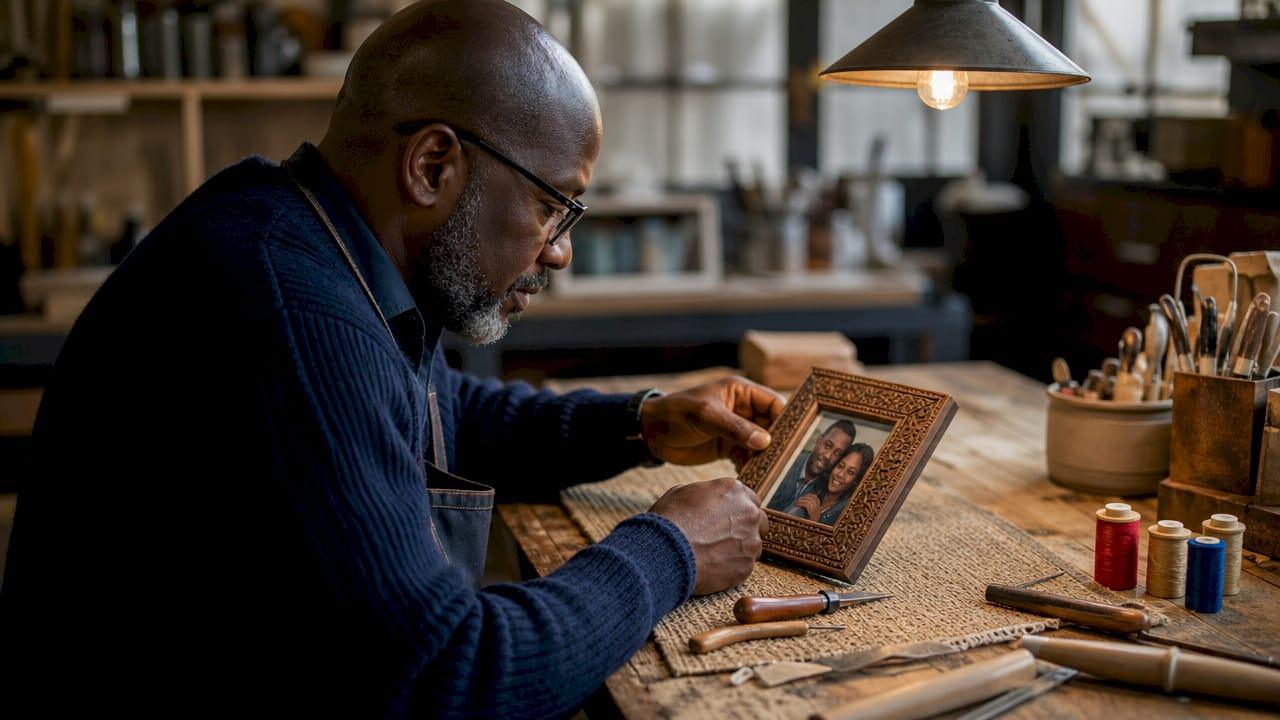
Behavioral cost theory adds another layer. Recipients rate personalized gifts higher than expensive generic ones because they perceive the giver’s time and mental effort as more valuable than money spent. A $30 laser-engraved cutting board with a family name and a meaningful date outranks a $150 generic kitchen appliance in the recipient’s memory. The effort is the gift.
The emotional mechanism at work here is called “vicarious pride.” When someone receives a personalized gift, they feel seen and understood. That feeling strengthens the bond between giver and receiver in a way that a gift card simply cannot replicate.
“True personalization succeeds when it signals intimate knowledge of the recipient’s life, not just a generic name or date.” — giftabout.com
The practical takeaway is clear. Personalization works because it communicates something no price tag can: that the giver truly sees the recipient as an individual.
How has technology made personalized gifting faster and better?
Modern manufacturing has removed the two biggest barriers to personalized gifting: time and quality uncertainty. Both have been solved by advances in logistics and digital tools.
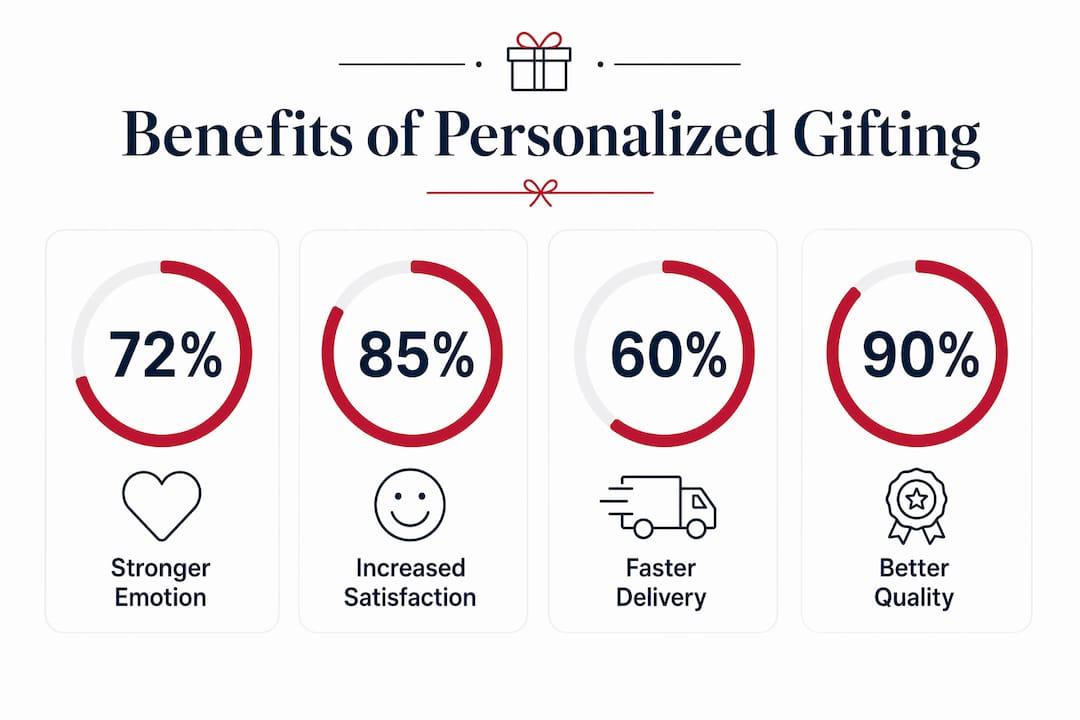
Turnaround times of 48–72 hours are now standard for many personalized items. That means a custom laser-engraved gift is no longer just for planners. It is a real option for last-minute occasions, including birthdays, anniversaries, and graduations.
Here is how the production process has improved across the board:
- Digital mockups and 3D previews let customers see exactly what the finished product will look like before production begins. Digital previews reduce errors and increase satisfaction by catching mistakes before they become permanent.
- AI-assisted design tools help shoppers who lack design experience create polished, personalized layouts without needing a graphic designer.
- Heirloom-quality materials have replaced cheap novelty substrates. Engraved hardwood, stainless steel, and leather now carry the weight and feel of a keepsake, not a trinket.
- Functional personalization has shifted the category from novelty to utility. A monogrammed leather planner or a laser-engraved multi-tool gets used daily, which means the recipient sees the personalization every single day.
| Feature | Past standard | Current standard |
|---|---|---|
| Turnaround time | 2–3 weeks | 48–72 hours |
| Design preview | None | Digital mockup or 3D render |
| Material quality | Novelty-grade | Heirloom-grade |
| Personalization type | Name only | Name, date, image, message |
Pro Tip: Always request a digital mockup before approving your order. Seeing the final layout on screen catches font size issues, spacing errors, and placement problems that are impossible to fix after engraving.
What are practical strategies to personalize gifts that truly resonate?
Effective personalization requires specific knowledge of the recipient. Generic personalization, like printing a first name on a mass-produced item, does not create the same emotional impact as a detail that only you would know to include.
The personal element must reflect authentic, recipient-specific knowledge to succeed. Think about the details that define your relationship with that person: a shared inside joke, the date of a meaningful trip, the coordinates of a place that matters to both of you. Those details transform a physical object into a story.
Practical strategies that work:
- Use one strong detail, not many. A single meaningful date or phrase lands harder than a cluttered design with five competing elements. Restraint is a form of craft.
- Prioritize functional items. Functional personalized items like engraved planners, tools, and kitchenware get used regularly, which means the recipient interacts with your thoughtfulness every day.
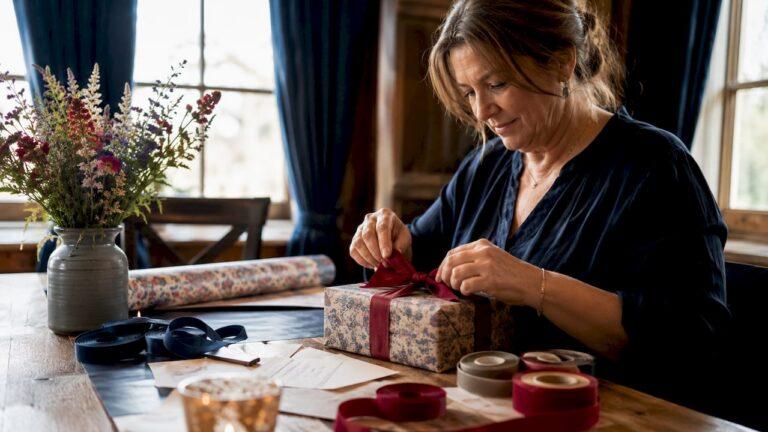
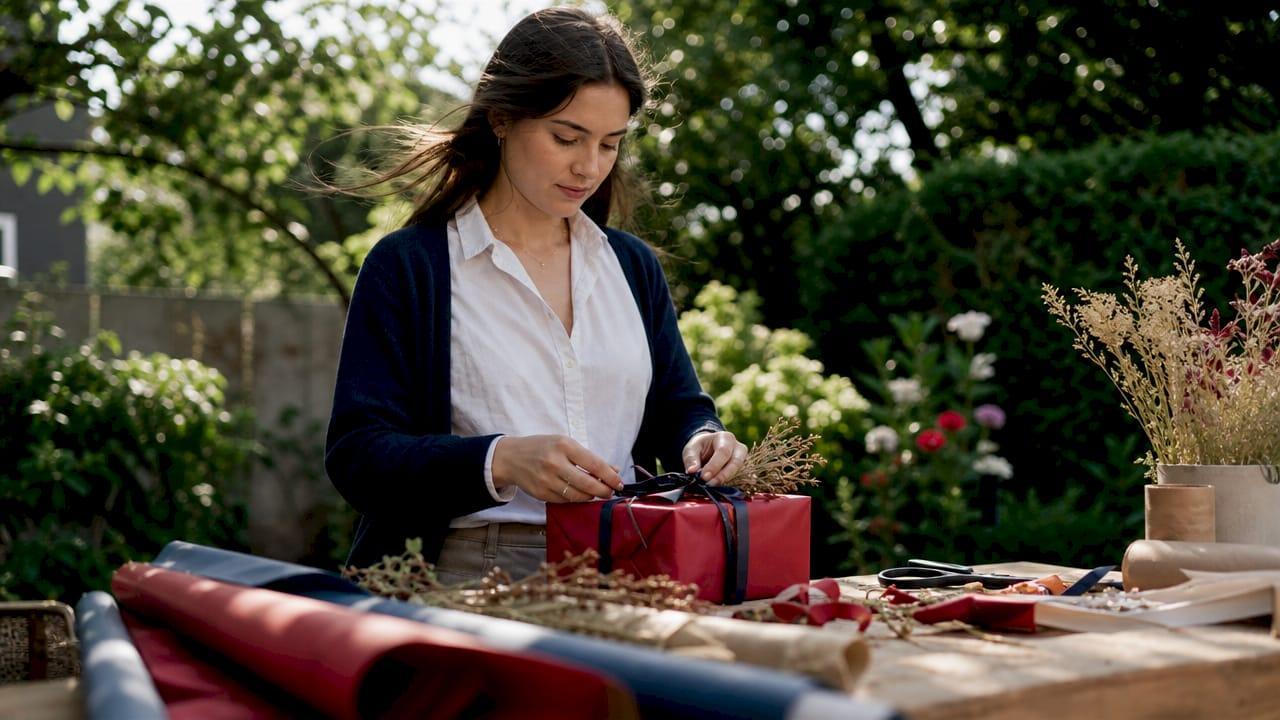
- Personalize the packaging when uncertain. When you are unsure of the recipient’s tastes, a handwritten card or custom-printed gift wrap adds emotional weight without risking the core gift’s usefulness.
- Match the personalization to the occasion. A retirement gift calls for a different tone than a wedding gift. The engraving on a meaningful personalized keepsake should reflect the emotional register of the moment.
Pro Tip: Before finalizing your personalization, say it out loud. If it sounds like something you would read on any random gift, it is not specific enough. Push for one more layer of detail.
Common pitfalls to avoid include using the recipient’s full legal name when they go by a nickname, choosing a font that looks elegant in a catalog but becomes unreadable when engraved small, and adding too many design elements that compete for attention. Less is almost always more.
How do personalized gifts compare to generic gifts in long-term value?
Personalized gifts outlast generic ones in every meaningful way. The difference shows up not just in how recipients feel on the day they receive the gift, but in how they treat it for years afterward.
Personalized gifts show higher long-term care, repair, and retention compared to generic luxury items. Recipients keep them longer, handle them more carefully, and are more likely to repair them when damaged. A generic luxury item, by contrast, gets replaced when a newer version appears or when it wears out.
“Long-term retention of personalized gifts reflects their meaningfulness, as people care for, repair, and keep them longer.” — songful.com
The reason comes back to behavioral cost. When a recipient knows that someone invested time and thought into a gift, that gift becomes symbolic of the relationship itself. Discarding it feels like discarding the relationship. Custom gifts beat store-bought options precisely because they carry that symbolic weight.
| Aspect | Personalized gift | Generic gift |
|---|---|---|
| Emotional value | High, tied to relationship | Low to moderate |
| Long-term retention | Kept and cared for | Often replaced or discarded |
| Perceived effort | High | Low |
| Daily use potential | High with functional items | Varies |
| Symbolic meaning | Represents the relationship | Represents a transaction |
The data points to a clear conclusion. Spending less on a well-personalized gift produces a stronger emotional outcome than spending more on a generic luxury item. Price is not the variable that matters most. Thoughtfulness is.
Key Takeaways
Personalization transforms gifts into lasting emotional symbols because it signals specific knowledge, care, and effort that no price tag can replicate.
| Point | Details |
|---|---|
| Personalization activates identity | The brain’s medial prefrontal cortex responds to personalized gifts, creating deeper emotional bonds. |
| Behavioral cost beats monetary cost | Recipients value a giver’s time and effort more than the amount of money spent on a gift. |
| Technology enables fast turnaround | Modern laser engraving and logistics deliver custom gifts in 48–72 hours, even for last-minute occasions. |
| Functional items last longer | Personalized tools, planners, and kitchenware get used daily, keeping the emotional connection alive. |
| Specificity is the key ingredient | One meaningful detail tied to shared history outperforms a generic name drop every time. |
Why I think most people are still personalizing gifts the wrong way
After years of watching how people approach custom gifting, I have noticed a consistent pattern. Most gift shoppers treat personalization as a finishing touch rather than the central idea. They pick a product first, then add a name as an afterthought. That approach produces forgettable results.
The gifts that genuinely move people are built the other way around. You start with a specific memory, habit, or detail about the recipient, then find the object that best carries that detail. The object is almost secondary. What you are really giving is proof that you paid attention.
I have also seen the market shift in a meaningful way over the past few years. Functional personalization has replaced novelty personalization as the dominant trend. Shoppers are moving away from decorative keepsakes that sit on a shelf and toward personalized items that get used every day. An engraved leather wallet, a custom-stamped tool set, a monogrammed cutting board. These items earn their place in a person’s daily life, which means the emotional connection gets reinforced constantly rather than fading after the unwrapping moment.
The technology side of this has genuinely impressed me. The combination of digital previews and fast production timelines has removed most of the risk from custom gifting. You can see exactly what you are getting before it is made, and you can get it in time even if you are a last-minute shopper. That combination has made thoughtful gifting accessible to everyone, not just planners.
My honest advice: stop thinking about personalization as decoration. Think of it as the message. The object is just the medium.
— Gary
Signaturelaserdesigns: where thoughtful gifts come to life
Signaturelaserdesigns specializes in custom laser engraving services that turn everyday objects into lasting keepsakes. Every order includes a digital preview so you see the final design before production begins, and fast turnaround times mean your gift arrives when you need it.
Whether you are shopping for a wedding, a retirement, a birthday, or a holiday, Signaturelaserdesigns works with you to get the details right. From heirloom-quality materials to precise engraving on wood, metal, and leather, every piece is built to be kept. Visit the personalized gifts guide to find the right approach for your occasion, or browse the full catalog to see what is possible when craftsmanship meets genuine care.
FAQ
Why do personalized gifts feel more meaningful than expensive ones?
Personalized gifts activate the brain’s medial prefrontal cortex, the region tied to self-identity, creating a deeper emotional response than price alone can produce. Recipients value the giver’s time and effort more than the monetary cost of the item.
What makes a personalized gift truly personal?
A gift is truly personal when it reflects specific knowledge of the recipient’s life, such as a shared memory, a meaningful date, or a private reference. Generic name drops do not create the same emotional impact as details only the giver would know.
How long does it take to get a personalized gift made?
Modern laser engraving services like Signaturelaserdesigns offer turnaround times of 48–72 hours for many items, making custom gifts a practical option even for last-minute occasions.
Are personalized gifts better for special occasions or everyday use?
Personalized gifts work best when they serve a daily function, since recipients interact with the personalization regularly. Engraved tools, planners, and kitchenware keep the emotional connection alive far longer than decorative keepsakes that sit on a shelf.
What should I do if I am unsure what to personalize?
Personalizing the packaging or an accompanying handwritten card adds emotional value without risking the core gift’s usefulness. This approach works well when you know the recipient well enough to choose a gift but are uncertain about their specific style preferences.
Recommended
- How to Personalize Gifts That Get Kept – Signature Laser Designs
- Personalized Gift Meaning Explained for Thoughtful Givers
- Personalized Holiday Gift Planning Guide for 2026
- What Are Good Personalized Gifts? 15 Ideas – Signature Laser Designs